




The kitchen is one of the busiest areas in any home, and it can also be one of the most polluted spaces. From smoke and steam to grease and food odors, cooking generates a variety of pollutants that can affect the air quality in your home. Poor air quality in the kitchen can lead to respiratory problems, allergic reactions, and overall discomfort while cooking.
The good news is that with the right kitchen ventilation system, you can significantly improve air quality, creating a healthier environment for cooking and dining. In this post, we’ll explore how to improve kitchen air quality with the right ventilation system and why selecting the proper hood kitchen range is key to achieving clean and fresh air in your kitchen.
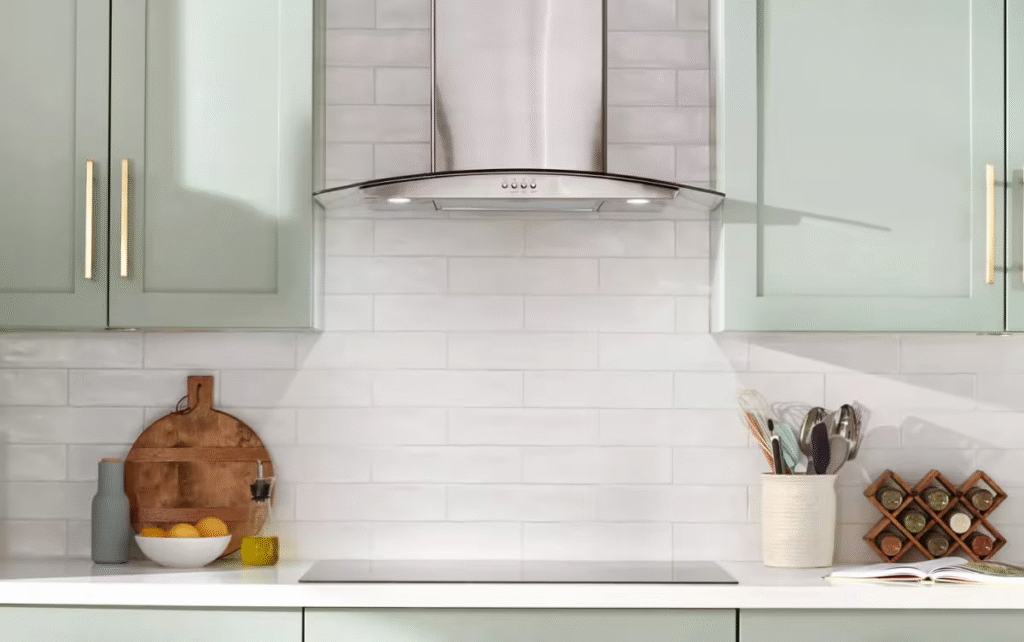
1. Why Kitchen Air Quality Matters
The quality of the air in your kitchen affects not only your comfort but also your health. When you cook, especially at high heat, harmful pollutants such as smoke, grease, and gases are released into the air. If not properly ventilated, these pollutants can accumulate in the kitchen and spread throughout the rest of your home.
Exposure to cooking fumes and grease particles can cause respiratory issues, especially in people with asthma, allergies, or pre-existing lung conditions. Long-term exposure to these pollutants can even increase the risk of heart disease and other health issues. Ensuring that your kitchen has adequate ventilation is crucial for maintaining a healthy home environment.
2. The Role of a Range Hood in Improving Air Quality
A range hood plays a crucial role in improving air quality in your kitchen by removing smoke, steam, grease, and odors from the air. It works by drawing in the polluted air and either venting it outside (in the case of ducted range hoods) or filtering and recirculating it back into the kitchen (in the case of ductless range hoods).
The right range hood will help maintain a healthy cooking environment by keeping the air clean and free of harmful pollutants. A hood kitchen range with a high CFM (cubic feet per minute) rating is ideal for larger kitchens or heavy cooking, as it provides powerful ventilation to remove smoke and grease effectively.
3. Ducted vs. Ductless Range Hoods: Which is Better for Air Quality?
When it comes to improving air quality, the choice between a ducted and a ductless range hood depends on your kitchen setup and preferences.
- Ducted Range Hoods: A ducted range hood is considered the best option for improving kitchen air quality, as it vents polluted air directly outside. This makes it more effective at removing smoke, steam, and grease from the kitchen. If you have the ability to install ductwork, a ducted range hood is the most powerful and efficient solution for maintaining a clean and healthy kitchen environment.
- Ductless Range Hoods: Ductless range hoods are a great option for kitchens where external venting is not possible. These range hoods use charcoal or carbon filters to capture smoke, odors, and grease before recirculating clean air back into the kitchen. While ductless range hoods are not as powerful as ducted systems, modern models with high-quality filters can still significantly improve air quality in smaller kitchens or apartments.
Both types of range hoods are effective, but if you want the most efficient solution for improving kitchen air quality, a ducted range hood is the way to go.
4. Choosing the Right CFM for Optimal Ventilation
When selecting a range hood, it’s essential to choose one with the right CFM rating for your kitchen. The CFM rating measures how much air the range hood can move per minute, and a higher CFM rating indicates a more powerful ventilation system.
If you cook frequently or use high-heat methods like frying or grilling, you’ll need a range hood with a higher CFM to keep up with the increased volume of smoke and steam. A hood kitchen range with a higher CFM is designed for heavy-duty cooking, ensuring that your kitchen air remains fresh and clean, even during intense cooking sessions.
For smaller kitchens or lighter cooking, a lower CFM range hood will suffice. Keep in mind that a range hood that’s too powerful for your space can create unnecessary noise and energy waste. Balance the power of the range hood with the size of your kitchen and your cooking habits.
5. How a Black Range Hood Can Improve Your Kitchen’s Air Quality
In addition to its powerful ventilation, black range hood can also improve your kitchen’s overall air quality by providing effective grease and smoke filtration. Black range hoods, with their sleek and modern designs, often feature high-performance filters that help capture even the smallest particles.
Black range hoods not only contribute to cleaner air but also add a bold aesthetic to your kitchen, complementing modern and industrial designs. The matte finish on black range hoods also makes them more resistant to grease marks and fingerprints, ensuring they remain clean and hygienic, further enhancing the overall air quality.
6. Regular Maintenance for Continuous Air Quality Improvement
To ensure that your range hood continues to perform at its best and keep your kitchen air clean, regular maintenance is key. Here are some tips for maintaining your range hood:
- Clean the Filters: Depending on the type of range hood you have, clean or replace the filters regularly. Metal mesh or baffle filters should be cleaned every one to three months, while charcoal filters in ductless systems should be replaced every 3 to 6 months.
- Check the Ductwork: For ducted range hoods, inspect the ductwork periodically to ensure there are no blockages or grease buildup. Clogged ducts can reduce airflow and make the range hood less effective at removing pollutants from the air.
- Clean the Exterior and Interior: Wipe down the exterior and interior of the range hood regularly to remove grease and dust buildup. Be sure to clean the fan blades and motor components to ensure smooth operation and reduce the risk of fire hazards.
By following these simple maintenance steps, you can ensure that your range hood continues to keep your kitchen air clean and fresh.
By selecting the right CFM, ensuring proper installation, and maintaining your range hood regularly, you can create a healthier kitchen environment that supports your well-being. Don’t overlook the importance of kitchen ventilation—it’s not only about convenience, but also about protecting your health and enjoying a fresh cooking space.
