
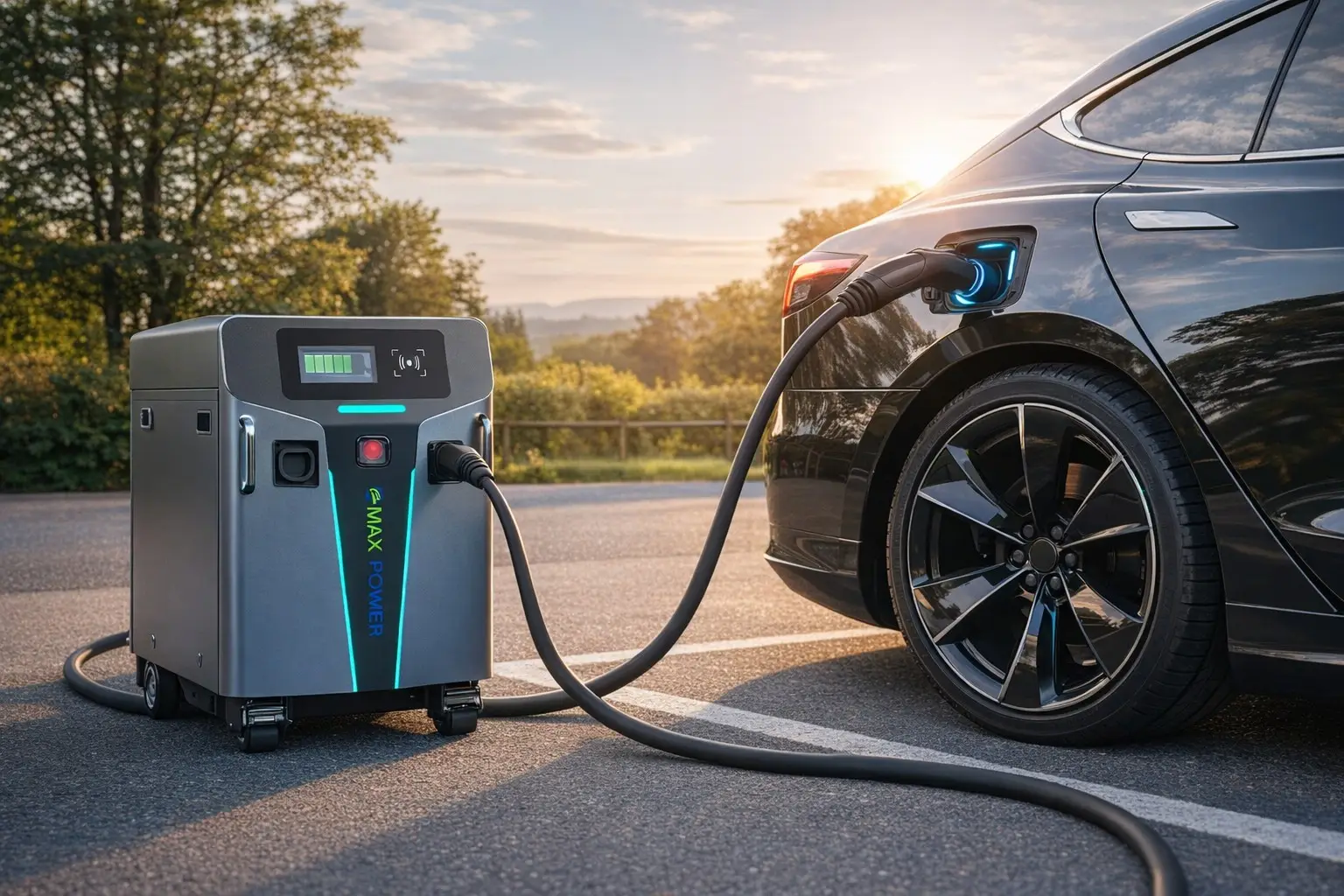
The transition to electric mobility brings a brand-new set of terminology, tech specifications, and hardware choices. Among the most common terms you will encounter as an EV owner is the j1772 charger connector. Recognized as the standard plug for Level 1 and Level 2 AC charging across North America for over a decade, this standard powers millions of electric vehicles daily.
However, with automotive industry standards shifting—most notably the widespread adoption of the North American Charging Standard (NACS)—many buyers are left wondering if investing in a j1772 charger is still the right move.
Understanding compatibility, electrical requirements, and future-proofing options before purchasing your home charging station or travel adapter will save you time, money, and hassle down the road.
What Is a J1772 Charger and How Does It Work?
Developed by SAE International, the SAE J1772 standard (often called the “J-plug”) is the official North American format for single-phase alternating current (AC) charging. It features a five-pin design engineered specifically to deliver power safely and efficiently to an electric vehicle’s onboard charger.
A j1772 charger operates across two primary charging speeds:
- Level 1 Charging: Operates on standard 120-volt household electricity. Level 1 units deliver around 2 to 5 miles of range per hour of charging, making them best suited for plug-in hybrids or low-mileage daily commutes.
- Level 2 Charging: Operates on 208 to 240-volt electrical circuits (similar to heavy appliances like clothes dryers or electric ovens). Level 2 units can deliver anywhere from 16 to 80 amps, providing 12 to 60+ miles of range per hour depending on your vehicle’s capability.
It is important to remember that a j1772 charger only handles AC power. It does not support Direct Current (DC) Fast Charging. For DC fast charging, vehicles use specialized connectors like CCS1 (which adds two high-voltage DC pins below the standard J-plug interface) or native NACS ports.
EV Brand Compatibility: Which Vehicles Use the J1772 Charger?
For years, almost every non-Tesla electric vehicle sold in North America came equipped with a standard J1772 charge port. If you own or plan to buy a non-Tesla EV from recent model years—such as a Nissan Leaf, Chevrolet Bolt, Hyundai Ioniq 5, Ford Mustang Mach-E, or Rivian R1T—your car utilizes the standard j1772 charger interface for Level 1 and Level 2 charging.
Native J1772 Vehicles
Vehicles built with a native J1772 or CCS1 inlet plug directly into any j1772 charger without needing extra hardware. This makes a wall-mounted Level 2 j1772 charger an effortless plug-and-play home charging solution.
Tesla Vehicles
Tesla models use a distinct, compact connector head known as NACS. However, every Tesla vehicle ships with a slim j1772 charger adapter included in the glove box or trunk. By sliding this small adapter onto any j1772 charger cable, a Tesla driver can immediately charge at standard public stations, hotels, workplace parking spots, or home Level 2 units.
The NACS Shift: How Future-Proof Is the J1772 Charger?
The EV charging landscape is currently undergoing a major transition. Major automakers have shifted toward equipping new production models with NACS ports directly from the factory.
Does this mean the j1772 charger is becoming obsolete? The short answer is no.
- Massive Installed Base: Tens of thousands of public AC charging stations, workplace chargers, and hotel destination chargers across North America rely on the j1772 charger plug. These stations will remain active and supported for many years to come.
- Simple Adapter Solutions: Just as Tesla drivers use an adapter to connect to a j1772 charger, owners of newer NACS-native vehicles can use a basic passive adapter (J1772-to-NACS) to plug into existing J1772 equipment seamlessly.
- Cost Efficiency: Buying a wall-mounted Level 2 j1772 charger today remains one of the most reliable and affordable ways to set up home charging, regardless of what brand of vehicle you drive today or buy in the future.
Essential Specs to Check Before Buying a J1772 Charger
Not all home charging units are created equal. To ensure maximum compatibility and performance, evaluate these key technical factors before making a purchase:
Amperage and Circuit Requirements
Home Level 2 chargers typically range between 16 amps and 48 amps.
- A 32-amp or 40-amp unit plugged into a NEMA 14-50 outlet provides plenty of power for most daily driving needs.
- A 48-amp unit requires a hardwired electrical connection on a dedicated 60-amp circuit breaker, but delivers maximum home charging speeds.
Always check your home’s electrical panel capacity and your vehicle’s onboard charger limits before picking a charger rating.
Hardwired vs. Plug-In Units
- Plug-In (NEMA 14-50 or 6-50): Offers easy installation if you already have a high-voltage outlet, and allows you to unplug the charger if you move.
- Hardwired: Recommended for outdoor installations or high-power 48-amp setups. Hardwired stations offer greater weather resistance and slightly cleaner cable management.
Cable Length and Build Quality
Look for a j1772 charger equipped with a 20-to-25-foot cable. This ensures you can comfortably reach your car’s charge port regardless of whether you back into your garage or park head-in. Additionally, ensure the equipment carries safety certifications from recognized testing laboratories such as UL (Underwriters Laboratories) or ETL.
J1772 Adapters and Accessories: What You Should Keep in Your Trunk
To maintain full charging flexibility on the road, keeping the right accessories in your vehicle is a smart practice.
- J1772-to-NACS Adapter: Essential for Tesla drivers or owners of newer NACS-equipped EVs who want to utilize public or home j1772 charger units.
- Tesla-to-J1772 Adapter: If you drive a standard non-Tesla EV with a J1772 port, this adapter allows you to plug into Tesla Destination Chargers found at hotels, restaurants, and resorts. (Note: This works on AC destination chargers, not DC Superchargers).
- Cable Holster and Dock: A wall-mounted dock keeps your j1772 charger connector clean, elevated off the garage floor, and safe from moisture or accidental foot traffic.
Final Thoughts for EV Drivers
Investing in a j1772 charger remains a solid, practical choice for any electric vehicle driver today. Its universal presence across residential and public infrastructure makes it a dependable foundation for daily charging. Even as the industry incorporates new inlet styles, simple and inexpensive adapters guarantee that your j1772 charger will power your current vehicle and your next one reliably for years to come.