
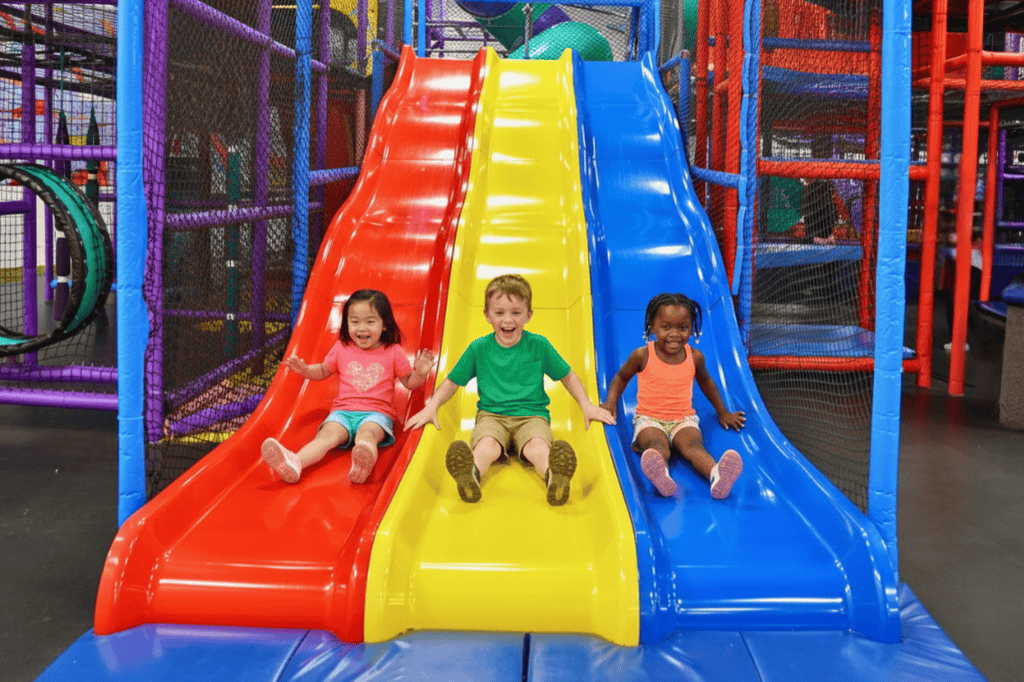
Play is an essential component of childhood development. It fosters creativity, encourages physical health, improves social interaction, and helps children explore their limits in a safe environment. In recent years, Large Indoor Playgrounds have revolutionized the way families seek recreation, offering all-weather entertainment solutions designed to captivate children from infancy through early adolescence.
Designing a recreation venue that simultaneously entertains a toddler, a primary school student, and a pre-teen is no small feat. However, modern Large Indoor Playgrounds accomplish this through thoughtful architecture, zoning strategies, diverse equipment choices, and sensory-rich environments. Understanding how these massive play hubs cater to various age groups highlights their growing popularity among families worldwide.
The Evolution of Indoor Play Spaces
Traditionally, indoor play areas consisted of small, localized play nooks or basic ball pits located inside restaurants and shopping malls. While convenient, these spaces rarely catered to broad age ranges or sustained long hours of engagement.
Today, Large Indoor Playgrounds span thousands of square feet, incorporating multi-level climbing towers, interactive digital zones, obstacle courses, and dedicated quiet areas. By moving beyond basic play setups, modern indoor facilities serve as comprehensive family entertainment centers where children of all development stages can find activities suited to their capabilities and interests.
Strategic Age Zoning: Safety and Tailored Engagement
One of the primary ways Large Indoor Playgrounds successfully engage children of all ages is through strategic age zoning. Grouping children by developmental stages ensures both safety and age-appropriate fun.
Toddler Zones (Ages 0–3)
For toddlers, the world is a giant sensory experiment. Large Indoor Playgrounds dedicate soft-play zones specifically for early walkers and toddlers, keeping them safely separated from older, energetic children.
Key elements of toddler zones include:
- Soft Foam Structure Blocks: Encouraging early spatial awareness and gross motor skills.
- Low-Height Slides and Crawl Tunnels: Building confidence and physical agility without exposure to steep drops.
- Interactive Wall Panels: Stimulating visual and tactile development through sensory gears, mirrors, and sound buttons.
Early Childhood and Elementary Zones (Ages 4–7)
Children in early elementary stages possess higher energy levels, stronger coordination, and an expanding imagination. Large Indoor Playgrounds cater to this age bracket with dynamic, multi-layered structures.
Features in elementary play zones frequently feature:
- Multi-Tiered Play Forts: Complex networks of bridges, web climbs, and tube slides.
- Ball Canons and Foam Pit Zones: Promoting active team play, coordination, and friendly competition.
- Role-Play Towns: Miniaturized pretend cities (grocery stores, fire stations, hospitals) that spark imaginative and cooperative social play.
Pre-Teen and Active Challenge Zones (Ages 8–12+)
Older children often outgrow standard playground slides, requiring physical challenges that test their balance, speed, and problem-solving skills. Large Indoor Playgrounds retain older kids by integrating adventure-style attractions.
Popular features for older kids include:
- Ninja Warrior Courses: Obstacle tracks designed to test strength, agility, and endurance.
- Vertical Climbing Walls: Safe, harnessed walls that encourage goal setting and physical fitness.
- Interactive Trampoline Parks: Combining open jumping areas with arcade-style target games or dodgeball courts.
Fostering Physical, Cognitive, and Social Growth
Beyond simple fun, Large Indoor Playgrounds provide critical developmental benefits across all age demographics.
Physical Fitness and Motor Development
In an era dominated by digital screens, Large Indoor Playgrounds offer an active outlet that makes exercise enjoyable. Running, climbing, balancing, and sliding help children build cardiovascular health, core strength, and fine-tuned motor control. Because the equipment varies in difficulty, kids naturally challenge themselves to reach higher platforms or tackle trickier obstacles as they grow.
Cognitive Problem-Solving
Navigating complex mazes, planning a route up a climbing wall, or building structures out of foam blocks requires critical thinking and spatial perception. Large Indoor Playgrounds encourage children to evaluate risks, solve problems independently, and adapt to new physical challenges in a low-risk environment.
Social Interaction and Emotional Growth
Playgrounds are natural melting pots where kids learn essential social skills. Sharing slides, taking turns on trampolines, and collaborating in pretend-play zones teach children empathy, communication, and conflict resolution. For shy children, the immersive atmosphere of Large Indoor Playgrounds offers low-pressure opportunities to interact with peers.
Inclusive Design and Accessibility
Modern Large Indoor Playgrounds prioritize inclusivity, ensuring that children of all physical abilities, sensory profiles, and learning styles feel welcome.
- Wheelchair-Accessible Structures: Ramp systems, ground-level interactive panels, and wide play pathways allow children with mobility challenges to participate fully.
- Sensory-Friendly Spaces: Many facilities include quiet rooms or low-stimulation zones where children with sensory processing disorders can decompress before returning to active play.
- Adaptive Play Equipment: Inclusive swings and supportive harnesses ensure every child experiences the thrill of movement.
The Role of Technology in Modern Play
While physical play remains the foundation, contemporary Large Indoor Playgrounds increasingly integrate interactive technologies to enhance engagement for digital-native children.
Interactive projection systems transform ordinary floors and walls into dynamic game boards where children stamp on virtual targets, slice digital fruit, or paint giant murals using light. Augmented reality (AR) climbing walls merge physical exertion with video game elements, keeping older children engaged for longer periods. By blending physical movement with digital interactivity, Large Indoor Playgrounds bridge the gap between traditional play and modern technology.
Creating a Complete Experience for Parents and Families
The success of Large Indoor Playgrounds relies not only on entertaining children but also on providing comfort for parents and caregivers.
- Clear Sightlines and Safety: Thoughtfully arranged seating areas allow parents to monitor their children easily. High-definition camera systems and wristband security protocols ensure peace of mind.
- Comfortable Amenities: On-site cafes, free Wi-Fi, comfortable seating, and clean, spacious family restrooms make long stays convenient for adults.
- All-Weather Reliability: Because indoor facilities operate independently of climate conditions, families can rely on Large Indoor Playgrounds year-round, regardless of rain, heat, or cold weather.
The Future of Play Spaces
As cities grow denser and outdoor play options face climate and spatial limitations, Large Indoor Playgrounds will continue to serve as essential hubs for youth development, health, and family bonding. Through innovative engineering, diverse age-tailored zones, inclusive design, and modern technology integration, these facilities ensure that every child—regardless of age or ability—finds an engaging, joyful space to explore, move, and grow.
Whether a toddler taking their first tentative steps across a foam bridge or an older child conquering a high-ropes course, Large Indoor Playgrounds provide the ultimate platform for lifelong healthy play habits.