
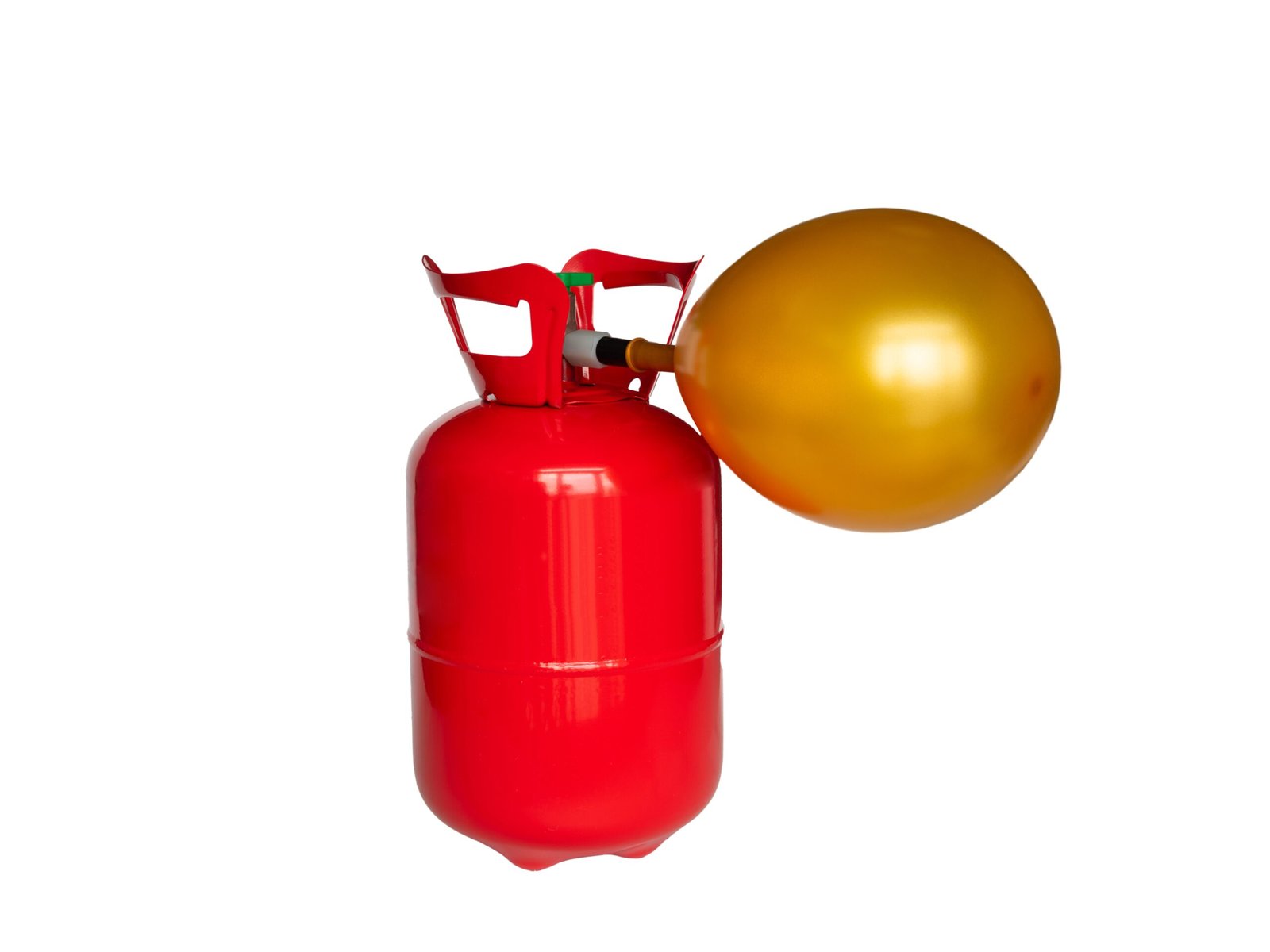
Helium capacity is becoming an increasingly important topic for industries that depend on this unique and non-renewable natural resource. From medical imaging and semiconductor manufacturing to aerospace, scientific research, welding, and leak detection, helium plays a specialized role that cannot always be replaced easily. As global industries expand and technology becomes more sophisticated, understanding available helium capacity and future supply conditions is essential for businesses, researchers, and policymakers.
Unlike many industrial gases, helium has unusual characteristics that make its supply chain particularly important. It is extremely light, chemically inert, and has the lowest boiling point of any element. These properties make helium valuable in applications where other gases cannot provide the same performance. However, helium resources are geographically concentrated, production requires specialized infrastructure, and the gas can be difficult to recover economically. These factors make long-term planning increasingly relevant.
Understanding Helium Capacity
Helium capacity generally refers to the amount of helium that can be produced, processed, stored, transported, or supplied through available infrastructure. It can describe production capacity at a specific facility or broader supply capacity across a country or region.
Helium is usually recovered from natural gas reservoirs where concentrations are high enough to justify extraction. During processing, helium is separated from other gases and purified to meet the requirements of different end users. The resulting product can be supplied in gaseous or liquid form depending on the application.
Production capacity is not the same as actual output. A facility may have the technical ability to produce a certain volume but operate below that level because of maintenance, feedstock availability, transportation limitations, market conditions, or other operational factors. Therefore, evaluating helium capacity requires consideration of the entire supply chain rather than simply looking at installed production equipment.
Why Future Helium Supply Matters
Helium is a finite resource because atmospheric helium is extremely difficult to recover economically once released. When helium escapes into the atmosphere, its very low density allows it to gradually move beyond Earth’s atmosphere. This makes conservation and efficient use particularly important.
Future helium supply will depend on the development of known resources, new discoveries, processing facilities, recycling technologies, and investment in transportation and storage infrastructure. Increasing industrial demand could place additional pressure on available supplies, especially when production disruptions occur.
The geographic concentration of helium resources is another consideration. If a significant portion of global supply comes from a limited number of producing regions, unexpected operational problems, geopolitical developments, or infrastructure disruptions can affect international availability. Diversification of production and supply routes can therefore become an important component of long-term planning.
Industrial Applications Driving Demand
Industrial demand is one of the major factors influencing future helium capacity requirements. Helium’s physical and chemical properties make it useful across several highly specialized industries.
Medical Imaging
Magnetic resonance imaging, commonly known as MRI, uses powerful superconducting magnets that traditionally require extremely low temperatures. Liquid helium is used as a coolant because of its exceptionally low boiling point.
Healthcare systems therefore represent an important source of helium demand. As medical facilities expand and imaging technology becomes more widely available, reliable helium supply can support the installation and operation of MRI equipment.
Semiconductor Manufacturing
The semiconductor industry uses helium in several manufacturing and cooling-related processes. Modern electronics production requires precise environmental conditions, and helium can provide controlled thermal and chemical properties in specialized applications.
As demand for processors, memory, sensors, and other electronic components increases, semiconductor manufacturing could remain an important contributor to industrial helium demand.
Aerospace and Space Exploration
Helium is widely used in aerospace applications because it is inert and lightweight. It can support pressure testing, purging, and the handling of certain fuels and systems.
Space launch programs can require significant quantities of helium for specialized operations. As commercial space activity and government exploration programs develop, helium capacity planning may become increasingly important for aerospace supply chains.
The Importance of Helium Recycling
One of the most effective ways to reduce pressure on primary helium resources is recovery and recycling. Instead of releasing helium after use, specialized systems can capture, purify, compress, and reuse it.
Helium recovery can be particularly valuable in laboratories, healthcare facilities, research centers, and industrial operations where relatively large quantities are consumed. Although recovery systems require investment, they can help reduce recurring purchasing requirements and improve resource efficiency.
Improving Recovery Efficiency
The effectiveness of helium recycling depends on the quality of collection, purification, storage, and distribution equipment. Businesses considering recovery systems need to evaluate helium consumption levels, purity requirements, equipment costs, and expected operating savings.
Technological improvements could make helium recovery more practical for a wider range of applications. Higher recovery rates can reduce waste while helping organizations manage exposure to supply fluctuations.
Infrastructure and Transportation Considerations
Helium capacity depends not only on natural resources but also on infrastructure. Processing plants, pipelines, purification systems, liquefaction facilities, storage tanks, cylinders, and transportation networks all contribute to the final availability of helium.
Liquid helium presents additional logistical requirements because it must remain at extremely low temperatures. Specialized containers and transportation systems are necessary to minimize losses and maintain product quality.
Infrastructure investment can therefore play an important role in expanding effective supply. A region may possess substantial helium resources but still face limitations if processing or transportation capacity is insufficient.
Balancing Supply With Industrial Demand
Future planning requires careful comparison between expected helium production and projected consumption. Industries with critical helium requirements may need to establish long-term procurement strategies rather than relying entirely on short-term purchases.
Companies can improve supply resilience by assessing their current consumption, identifying applications where helium can be recovered, maintaining appropriate inventories, and developing relationships with multiple suppliers where possible.
Demand forecasting is also important. Rapid expansion in industries such as semiconductor manufacturing, healthcare technology, aerospace, and scientific research can change regional requirements over time. Better forecasting can help producers and users coordinate investments in capacity and infrastructure.
Technological Innovation and Alternative Solutions
Research into alternative technologies may influence future helium demand. Some applications may eventually adopt different cooling methods, substitute gases, or equipment designs that require less helium. However, replacement is not equally practical across all industries.
For highly specialized applications, helium’s unique properties can make substitution technically challenging. Consequently, innovation is likely to involve both developing alternatives where possible and improving the efficiency of helium-dependent processes.
Automation and monitoring technologies can also help reduce losses. Sensors and advanced control systems can identify leaks, monitor consumption, and optimize helium recovery operations.
Strategic Planning for Future Helium Capacity
Organizations that depend heavily on helium should consider several factors when planning for the future. These include supplier diversity, contract structures, inventory management, recycling opportunities, equipment efficiency, and anticipated demand growth.
Producers, meanwhile, may need to evaluate new resource development alongside investments in purification and processing infrastructure. Expanding production without adequate downstream infrastructure may not provide the expected increase in usable supply.
Governments and industry organizations can also contribute through resource assessment, infrastructure development, research support, and policies that encourage efficient resource utilization.
Conclusion
Helium capacity will remain an important consideration as industrial and technological demand evolves. The combination of finite natural resources, specialized production requirements, concentrated supply sources, and expanding applications creates a need for careful long-term planning.
Healthcare, semiconductor manufacturing, aerospace, scientific research, and other industries will continue to influence demand. At the same time, recycling, improved recovery systems, infrastructure investment, technological innovation, and better supply-chain management can help make available resources go further.
Understanding helium capacity requires looking beyond production numbers. The ability to extract, process, store, transport, recover, and efficiently use helium will all influence future supply security. As industries plan for continued growth, a balanced approach combining resource development with conservation and technological efficiency can support more resilient helium supply chains.