
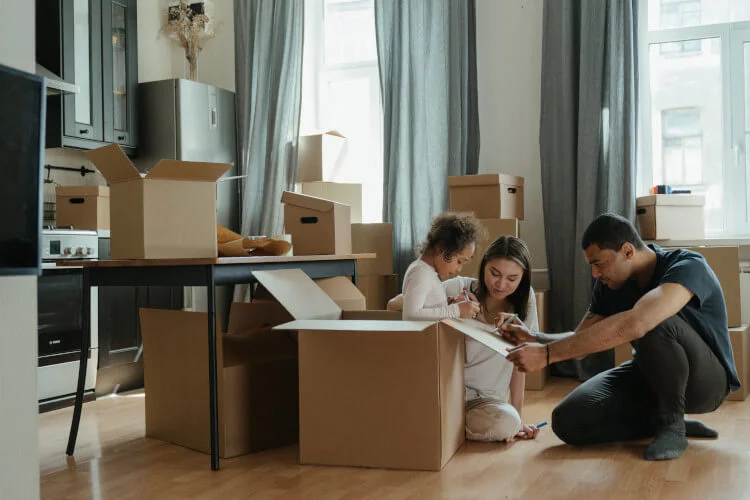
If you’re selling your property or ending a rental agreement, there’s a good chance your home will undergo a final inspection before you hand over the keys. A successful home inspection can help avoid unnecessary repair costs, speed up the selling process, or improve the likelihood of receiving your full security deposit. Preparing your home properly before the inspection ensures that everything is presented in the best possible condition. Working with Tetrisflytt Malmö can help simplify your relocation while you focus on getting your property inspection-ready.
Many homeowners leave inspection preparation until the last minute, only to discover small maintenance issues that could have been fixed easily beforehand. A careful walkthrough several weeks before moving allows enough time to complete repairs, organize paperwork, and clean the property thoroughly. Taking a proactive approach not only reduces stress but also demonstrates that the home has been well maintained.
Whether you’re moving from an apartment, townhouse, or detached home, following a structured inspection checklist can help ensure a smooth transition.
Understand the Inspection Requirements
Before preparing your home, find out what the inspection will include.
This may involve checking:
- Structural condition
- Plumbing
- Electrical systems
- Appliances
- Windows
- Doors
- Flooring
- General cleanliness
Understanding the requirements allows you to focus on the most important areas.
Perform Your Own Walkthrough
Inspect the property as though you were seeing it for the first time.
Walk through every room and make notes of anything that needs attention.
Pay close attention to:
- Scratches
- Stains
- Loose fixtures
- Damaged walls
- Broken hardware
Creating a repair list helps you stay organized.
Complete Minor Repairs
Small problems can leave a negative impression during an inspection.
Repair items such as:
- Loose door handles
- Squeaky hinges
- Leaking faucets
- Cracked switch plates
- Missing cabinet knobs
Simple maintenance tasks can improve the overall appearance of the home.
Repair Wall Damage
Moving furniture often leaves behind:
- Nail holes
- Scuff marks
- Minor dents
Fill small holes, sand rough areas, and touch up paint where needed.
Fresh-looking walls make rooms feel well cared for.
Check Doors and Windows
Open and close every:
- Window
- Interior door
- Exterior door
- Closet door
Ensure everything operates smoothly.
Lubricate hinges or repair sticking doors if necessary.
Inspect Plumbing Fixtures
Test every plumbing fixture throughout the home.
Check:
- Faucets
- Toilets
- Showers
- Bathtubs
- Sinks
Look for leaks, slow drains, or unusual noises that may require attention.
Test Electrical Components
Verify that:
- Light switches work.
- Electrical outlets function properly.
- Ceiling fans operate correctly.
- Smoke detectors are working.
Replace burned-out light bulbs before the inspection.
Clean the Entire Property
A clean home always creates a stronger impression.
Deep clean:
- Floors
- Windows
- Bathrooms
- Kitchen appliances
- Cabinets
- Baseboards
Even if the inspection focuses on the property’s condition, cleanliness reflects responsible ownership.
Remove Personal Belongings
If possible, remove unnecessary personal items before the inspection.
Clear spaces such as:
- Countertops
- Shelves
- Closets
- Entryways
A tidy home appears larger and easier to evaluate.
Organize Important Documents
Prepare any paperwork related to the property.
Examples include:
- Warranty documents
- Repair receipts
- Maintenance records
- Appliance manuals
These documents may be helpful if questions arise during the inspection.
Inspect Exterior Areas
Don’t overlook the outside of your property.
Walk around and examine:
- Driveways
- Walkways
- Fences
- Gutters
- Garage doors
- Outdoor lighting
A well-maintained exterior creates an excellent first impression.
Check Safety Features
Confirm that important safety equipment is functioning correctly.
Inspect:
- Smoke alarms
- Carbon monoxide detectors
- Fire extinguishers
- Handrails
Safety features are often included in property inspections.
Empty Storage Areas
Inspect:
- Garage
- Basement
- Attic
- Storage closets
Remove remaining belongings and sweep these areas before the inspection.
Prepare Appliance Information
If appliances will remain with the home, ensure they are clean and functioning properly.
Test:
- Refrigerator
- Oven
- Dishwasher
- Washing machine
- Dryer
Properly maintained appliances add value to the property.
Complete a Final Walkthrough
The day before the inspection, perform one final review.
Confirm that:
- Repairs are complete.
- Every room is clean.
- Lights are working.
- Windows are closed.
- Doors lock properly.
This final check helps prevent last-minute surprises.
Common Home Inspection Preparation Mistakes
Avoid these common mistakes:
- Ignoring small repairs.
- Forgetting exterior maintenance.
- Leaving storage areas cluttered.
- Failing to test appliances.
- Neglecting safety equipment.
- Waiting until the last day to prepare.
Attention to detail improves inspection results.
Frequently Asked Questions
How early should I prepare for a home inspection?
Begin several weeks before the scheduled inspection to allow enough time for repairs and cleaning.
Should I repair small cosmetic damage?
Yes. Minor repairs improve the overall presentation and may prevent unnecessary concerns.
Is cleaning important before an inspection?
Absolutely. A clean home demonstrates proper maintenance and creates a positive impression.
Should I keep maintenance records?
Yes. Documentation of repairs and maintenance can provide useful information during the inspection process.
Final Thoughts
Preparing for a home inspection before moving out is an important step that can save time, reduce stress, and help ensure a successful property handover. By completing repairs, cleaning thoroughly, testing major systems, and organizing important documents, you present your home in the best possible condition.
A little preparation goes a long way toward creating a positive impression. Whether you’re selling your home or completing a rental agreement, careful attention to detail helps make the inspection process smoother and allows you to move forward with confidence into your next home.