
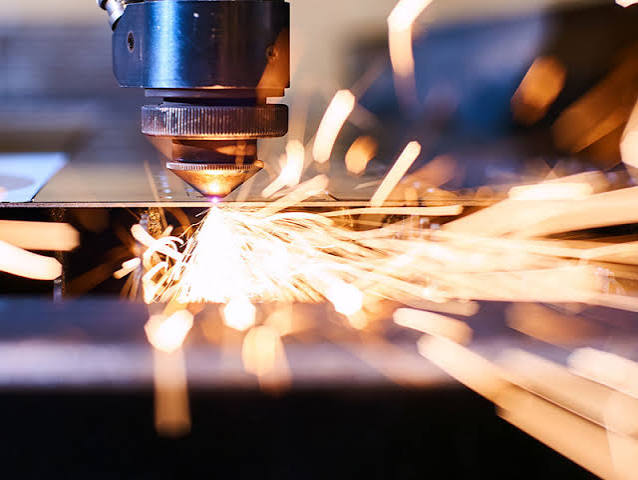
Sheet metal fabrication is an essential manufacturing process used to create durable, accurate, and functional components for a wide range of industries. From Sheet Metal Fabrication Services automotive parts and industrial machinery to construction systems and electrical enclosures, fabricated metal products are found in countless applications. Professional Sheet Metal Fabrication Services combine advanced technology, skilled craftsmanship, and strict quality control to transform flat sheets of metal into precisely engineered products.
Whether a business needs a simple metal bracket or a complex custom assembly, understanding the fabrication process can help companies choose the right manufacturing partner and achieve better results. This guide explores the key processes, materials, benefits, quality standards, and applications of modern sheet metal fabrication.
What Is Sheet Metal Fabrication?
Sheet metal fabrication is the process of converting flat metal sheets into finished components or structures through cutting, forming, joining, and finishing techniques. Depending on the project requirements, manufacturers may work with materials such as stainless steel, aluminum, carbon steel, copper, brass, and galvanized steel.
The process begins with an engineering design or computer-aided design (CAD) model. The design is then translated into manufacturing instructions, allowing specialized machinery to produce components according to exact dimensions and tolerances.
Modern fabrication combines automated equipment with experienced technicians. This combination improves precision, consistency, production speed, and overall product quality.
Key Processes Used in Sheet Metal Fabrication
Several manufacturing techniques can be used depending on the material, design, quantity, and application of the finished product.
Laser Cutting
Laser cutting uses a focused beam of light to cut metal with high accuracy. It is suitable for creating complex shapes, detailed patterns, openings, and precise edges. CNC laser machines can quickly process large quantities while maintaining consistent dimensions.
CNC Punching
CNC punching uses computer-controlled machinery to create holes, slots, and other shapes in sheet metal. It is particularly useful for projects that require repeated patterns and high production volumes.
Bending and Forming
Sheet metal bending changes the shape of a flat sheet without removing material. Press brakes and other forming equipment are commonly used to create angles, channels, curves, and other three-dimensional shapes.
Accurate bending is essential because even small dimensional variations can affect the final assembly. Advanced CNC press brakes help manufacturers maintain consistent bend angles and positions.
Welding
Welding joins multiple metal components to create a strong and permanent structure. Common welding methods include MIG, TIG, and spot welding. The appropriate method depends on the material, thickness, strength requirements, and appearance of the finished product.
Finishing
After fabrication, components may undergo finishing processes to improve appearance, durability, and resistance to corrosion. Common options include powder coating, painting, polishing, anodizing, brushing, and plating.
Materials Used in Sheet Metal Fabrication
Choosing the right material is an important part of successful fabrication. Different metals offer different combinations of strength, weight, corrosion resistance, conductivity, and appearance.
Stainless steel is popular for applications requiring excellent corrosion resistance and durability. Aluminum is lightweight and resistant to corrosion, making it suitable for transportation, electronics, and industrial applications. Carbon steel provides strength and affordability and is widely used in machinery and structural components.
Copper and brass are also used where electrical conductivity, thermal performance, or decorative appearance is important. A professional fabricator can help customers select the most appropriate material based on performance and budget requirements.
Importance of Precision and Quality Control
Precision is one of the most important factors in modern metal manufacturing. Fabricated components often need to fit with other parts, meaning inaccurate dimensions can cause assembly problems, material waste, and production delays.
Quality-focused Sheet Metal Fabrication Services use advanced measuring equipment, CNC machinery, inspection procedures, and experienced personnel to maintain accuracy. Manufacturers may inspect dimensions, hole locations, bend angles, weld quality, surface finish, and overall appearance.
Quality control should take place throughout production rather than only at the final stage. Regular inspections help identify problems early and reduce the risk of defective products reaching customers.
Benefits of Professional Sheet Metal Fabrication Services
Working with an experienced fabrication company provides several advantages. One major benefit is customization. Manufacturers can produce components according to specific dimensions, designs, materials, and functional requirements.
Another advantage is consistency. CNC-controlled equipment allows manufacturers to reproduce the same design repeatedly, which is especially important for large production runs.
Professional fabrication can also improve cost efficiency. Accurate cutting and optimized production methods reduce material waste and minimize the need for rework. Experienced manufacturers can also recommend design adjustments that simplify production and lower manufacturing costs.
Fast turnaround is another benefit. Modern machinery can perform many fabrication tasks efficiently, helping businesses meet production schedules and respond quickly to changing market demands.
Applications Across Different Industries
Sheet metal fabrication is used across numerous sectors because metal components can be customized for different environments and requirements.
In the automotive industry, fabricated metal is used for brackets, panels, chassis components, exhaust parts, and structural assemblies. In construction, metal fabrication supports roofing systems, structural components, HVAC systems, doors, and architectural features.
The electronics industry relies on fabricated metal for equipment cabinets, control panels, server enclosures, and protective housings. Industrial machinery manufacturers use fabricated components for machine frames, guards, brackets, platforms, and custom assemblies.
Medical equipment, aerospace, energy, telecommunications, and food-processing industries also depend on precision-fabricated metal components.
Choosing the Right Fabrication Partner
Selecting the right fabrication company is essential for achieving reliable results. Businesses should evaluate a manufacturer’s equipment, technical expertise, quality-control procedures, material capabilities, production capacity, and previous experience.
It is also important to consider whether the manufacturer can support the entire process, from design assistance and prototyping to fabrication, finishing, inspection, and delivery.
Clear communication is another important factor. A dependable fabrication partner should understand project specifications, timelines, tolerances, and quality expectations before production begins.
The Role of Technology in Modern Fabrication
Technology continues to improve the efficiency and precision of sheet metal manufacturing. CAD and computer-aided manufacturing systems allow engineers to create detailed digital models and convert them into accurate production instructions.
CNC machines, automated laser cutters, robotic welding systems, and advanced inspection equipment help manufacturers produce complex components with greater consistency. Digital production systems can also improve workflow management and reduce human error.
As manufacturing technology continues to develop, companies can expect greater automation, improved efficiency, and increasingly precise fabrication capabilities.
Conclusion
Sheet metal fabrication plays a vital role in modern manufacturing, providing durable and customized components for countless industries. From laser cutting and CNC punching to bending, welding, and finishing, every stage contributes to the performance and appearance of the final product.
Choosing professional Sheet Metal Fabrication Services can help businesses achieve precision, consistency, durability, and cost-effective production. By selecting the right materials, using advanced manufacturing technology, and maintaining strict quality control, fabrication companies can deliver products that meet demanding technical requirements.
For businesses seeking reliable metal components, understanding the fabrication process makes it easier to evaluate suppliers and select solutions that match their specific needs. With the right combination of expertise, technology, and quality management, sheet metal fabrication can provide dependable results for both small custom projects and large-scale industrial production.