
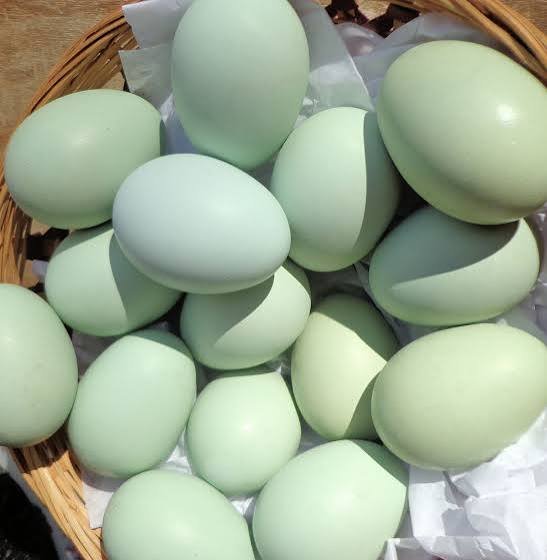
Selecting quality Araucana eggs for incubation is an important step toward raising healthy chicks and maintaining a successful poultry flock. Araucana chickens are known for their distinctive appearance and naturally blue eggs, making them popular among backyard poultry keepers, small farms, and poultry enthusiasts. However, achieving araucana eggs for sale a successful hatch requires more than simply purchasing eggs from a particular breed. Buyers must consider the health of the breeding flock, egg quality, freshness, storage conditions, and the reputation of the seller.
Whether you are an experienced poultry breeder or a beginner planning your first incubation project, understanding how to identify suitable Araucana eggs can help you make informed decisions and improve your chances of success.
Understanding Araucana Chickens and Their Eggs
Araucana chickens are a distinctive breed associated with naturally blue eggs. Their unique appearance and interesting breeding characteristics have made them desirable among poultry enthusiasts worldwide. Depending on the variety and breeding line, Araucanas may display features such as ear tufts and a naturally rumpless body.
Before purchasing Araucana eggs for incubation, it is important to understand that not every blue egg comes from a purebred Araucana chicken. Other breeds and crossbreeds can also produce blue eggs. Therefore, buyers should evaluate the seller’s breeding records and flock information rather than relying exclusively on shell color.
A trustworthy breeder should be able to explain the origin of the eggs, identify the parent stock, and provide relevant information about the flock’s health and breeding history.
1. Choose Eggs from Healthy Breeding Stock
The quality of hatching eggs begins with the health of the parent chickens. Healthy breeding birds generally have a better chance of producing viable eggs than birds affected by poor nutrition, illness, or unsuitable living conditions.
When selecting Araucana eggs, ask the seller about the condition of the breeding flock. Birds should have access to clean water, balanced feed, adequate space, and appropriate shelter. A responsible breeder should also maintain reasonable biosecurity practices and monitor the flock for common poultry diseases.
Ask whether the breeding birds have a documented history of successful hatches and whether the breeder follows appropriate vaccination and health-management practices.
Breeding records can help you understand the consistency of the flock and the seller’s experience. Although healthy parent birds cannot guarantee that every egg will hatch, they are an important starting point for a successful incubation project.
2. Examine the Eggshell Carefully
The physical condition of an egg is one of the first things to assess when purchasing hatching eggs. Choose eggs with clean, intact shells and a normal shape for the breed and individual hen.
Avoid eggs with visible cracks, damaged shell surfaces, severe roughness, or unusual deformities. Even small cracks can compromise the protective shell and increase the risk of contamination during incubation.
Extremely thin shells may also provide inadequate protection, while pronounced irregularities can sometimes indicate problems with the hen’s health or nutrition.
Araucana eggs are recognized for their blue coloration, but the exact shade may vary between individual hens and breeding lines. Color alone does not determine fertility or hatchability. Instead, prioritize shell integrity, appropriate shape, freshness, and reliable breeding information.
It is also best to avoid eggs that are excessively dirty. Washing hatching eggs incorrectly can damage their natural protective coating, so clean collection practices at the breeder’s farm are preferable.
3. Select Eggs of Suitable Size and Shape
Egg size can influence incubation results. For this reason, choose eggs that are reasonably consistent in size and typical of the laying hens in the breeding flock.
Very small eggs may contain insufficient resources for normal embryo development, while unusually large eggs can sometimes be associated with double yolks or other abnormalities. Double-yolk eggs are generally unsuitable for routine incubation because successful development of both embryos is uncommon.
Eggs should have a balanced oval shape rather than being excessively round, elongated, or pointed. Significant shape irregularities may indicate that the egg did not form normally.
However, there is no single measurement that guarantees a successful hatch for every Araucana line. The best approach is to ask the breeder about the normal egg size of their flock and select eggs that fall within that range.
4. Prioritize Freshly Collected Eggs
Freshness is another major consideration when buying Araucana eggs for incubation. Fertile eggs can lose hatchability as storage time increases, particularly when environmental conditions are unsuitable.
Whenever possible, choose eggs collected within the previous seven days. Eggs stored for longer periods may still hatch, but their chances of successful development can decline as storage time increases.
Ask the seller when the eggs were collected and whether they were stored under suitable conditions. Ideally, eggs should have been kept in a clean environment with controlled, cool temperatures and moderate humidity, away from direct sunlight and temperature fluctuations.
Avoid purchasing eggs with an unknown collection date if the seller cannot provide a reasonable explanation of their storage history.
Freshness is especially important when eggs must travel a long distance before reaching the buyer. Allowing for shipping time and careful handling helps you plan the incubation schedule more effectively.
5. Check Fertility Information and Breeding Practices
An egg’s external appearance cannot confirm whether it is fertile. Fertility depends on several factors, including the health of the breeding birds, the presence of a healthy rooster, mating activity, and flock management.
Before buying Araucana hatching eggs, ask the seller whether the eggs come from an established breeding group and whether the flock has a history of producing fertile eggs.
Previous fertility and hatch records can be helpful, although they should not be treated as guarantees. Results may change with the season, the age of the breeding birds, and other environmental conditions.
It is also useful to ask whether the seller breeds Araucanas specifically or keeps several chicken breeds together. Clear breeding records help buyers understand whether the eggs are likely to come from the intended genetic line.
During incubation, candling can help identify signs of embryo development. However, candling is a later assessment and does not replace careful selection at the purchasing stage.
6. Evaluate the Seller’s Reputation
Choosing a reliable supplier is just as important as examining individual eggs. A reputable breeder should communicate clearly, answer questions, and provide accurate information about the birds and eggs being sold.
Look for sellers who have experience raising Araucanas and can explain their breeding practices. Reviews from previous customers may offer useful insights into egg packaging, communication, and overall service quality.
Ask whether the seller provides a collection date, breeding information, and guidance for receiving shipped eggs. Some sellers may also share hatch-rate records from their own incubation experience.
Be cautious of sellers who promise a guaranteed hatch rate or make unsupported claims about every egg being fertile. Hatchability depends on many variables, including handling, transportation, storage, and incubator management.
Clear communication and realistic expectations are signs of a more dependable purchasing experience.
7. Consider Packaging and Transportation
Even high-quality eggs can be damaged during transportation. Shipping can expose eggs to vibration, impacts, temperature changes, and delays, all of which may affect their suitability for incubation.
Choose a seller who uses protective packaging designed for hatching eggs. Each egg should be secured to reduce movement, with sufficient cushioning to protect it against impacts.
Ask about shipping schedules and whether the seller avoids unnecessary delays. When possible, choose a delivery method that minimizes the time eggs spend in transit.
After receiving the shipment, inspect the eggs for cracks or other visible damage. Allow shipped eggs to settle according to appropriate breeder or hatchery guidance before placing them in the incubator, particularly if they have experienced significant movement during transportation.
Careful handling after delivery is essential because purchasing good eggs is only the first stage of the incubation process.
8. Prepare for Proper Incubation
Selecting suitable eggs is important, but successful hatching also depends on the incubation environment. Before purchasing Araucana eggs, make sure you have a reliable incubator, a suitable thermometer and humidity-monitoring system, and a plan for turning the eggs.
Chicken eggs generally require an incubation period of approximately 21 days. Temperature, humidity, ventilation, and turning must be managed according to the incubator manufacturer’s guidance and established poultry-incubation practices.
Avoid placing eggs in an incubator that has not been tested for stable operating conditions. Poor temperature control or inadequate ventilation can reduce hatchability even when the original eggs are excellent.
It is also helpful to maintain an incubation record containing the date the eggs were set, temperature and humidity observations, turning schedule, and candling results. These records make it easier to evaluate the process and improve future hatches.
Conclusion
Selecting quality Araucana eggs for incubation requires careful attention to several factors, including breeding-stock health, eggshell condition, appropriate size and shape, freshness, fertility history, seller reputation, and transportation methods. No single characteristic can guarantee a successful hatch, so buyers should evaluate the complete picture before making a purchase.
Start by choosing a trustworthy breeder who maintains healthy birds and provides clear information about the eggs. Prioritize clean, intact shells, ask about collection and storage dates, and ensure that suitable incubation equipment is ready before delivery.
With careful selection, responsible handling, and consistent incubation management, poultry enthusiasts can give their Araucana eggs a better opportunity to develop successfully. A thoughtful purchasing process is a valuable first step toward raising healthy chicks and enjoying the distinctive qualities of this fascinating chicken breed.