
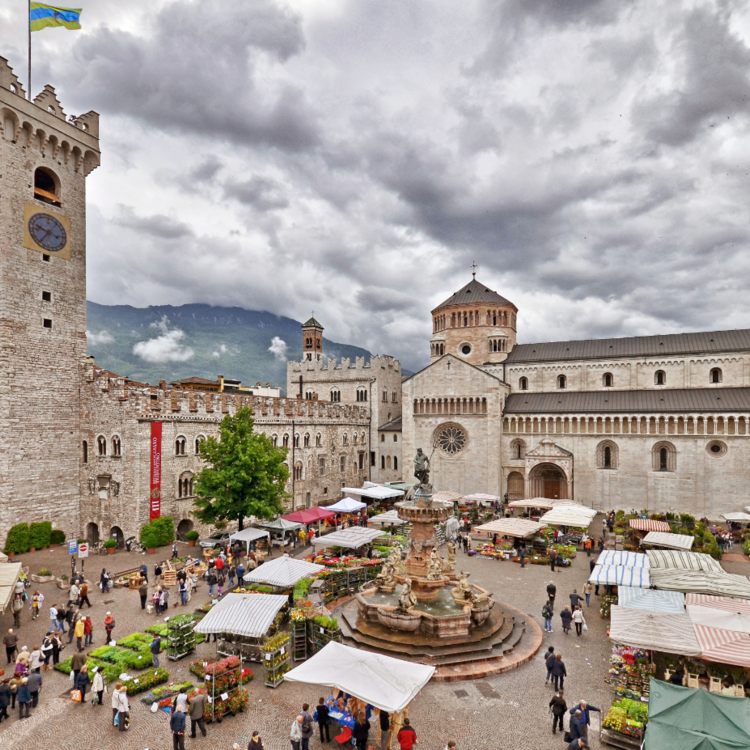
The Do the Right Thing Fair in Trento is quickly becoming one of the most meaningful and inspiring sustainable living events in Italy. Taking place in the historic city of Trento each year, this fair brings together environmental activists, eco‑entrepreneurs, local producers, artists, educators, and conscious citizens under one unifying theme: living more sustainably and responsibly in harmony with the planet and community. Through workshops, exhibitions, talks, interactive experiences, and marketplace showcases, the fair encourages every visitor to rethink their daily choices and embrace alternatives that benefit the environment, society, and economy. For anyone who wants to learn more, the official site is https://falacosagiustatrento.org/.
The event’s mission is rooted in empowerment — equipping individuals with practical tools, fresh ideas, and a sense of collective purpose. Rather than simply promoting abstract ideals, Do the Right Thing Fair focuses on tangible actions and accessible solutions for everyday life. Whether it’s minimizing waste, choosing ethical products, adopting green energy practices, or engaging in community solidarity, the fair illustrates that sustainable living is not an impossible ideal but a shared journey grounded in conscious choices and collective effort.
Community and Sustainability at the Heart of Trento
At its core, the Do the Right Thing Fair is a celebration of responsible living and local culture. Trento itself — a vibrant city rich in history, innovation, and natural beauty — serves as the perfect backdrop for conversations around sustainability. The fair highlights the importance of merging tradition with innovation, showing how centuries‑old crafts, ethical values, and local wisdom can intersect with modern sustainability strategies to create a more resilient future.
The organizers of the fair work hard to ensure that every aspect of the event adheres to sustainable principles. From eco‑friendly materials and waste‑reduction initiatives to inclusive programming and community partnerships, the planning reflects a deep respect for resources and people alike. This emphasis resonates with both residents and visitors, who leave inspired not only by new information but by real, achievable ways to reduce their environmental footprint.
Inspiring Workshops and Talks
One of the most engaging facets of the fair is its rich lineup of workshops and educational talks. These sessions cover a wide range of topics, designed to appeal to people at different stages of their sustainability journey. Participants can attend interactive demonstrations on composting, upcycling, permaculture techniques, and mindful consumption. Experts in renewable energy, circular design, food justice, and ethical business also lead presentations to share insights into systemic change and innovation.
What makes these sessions unique is their practical orientation. Rather than offering abstract theories, speakers and facilitators focus on skills and ideas that attendees can integrate into their own lives. For example, a workshop on zero‑waste living might walk participants through simple swaps they can make at home, while a session on community gardening may help neighbors start a local project together. This hands‑on approach enriches the experience and fosters a sense of agency among visitors.
A Marketplace of Ethical and Eco‑Conscious Goods
Another highlight of the fair is its marketplace — a bustling area where eco‑friendly vendors and makers display sustainable products. The marketplace is more than a shopping destination; it’s a space for discovering ethical alternatives to everyday consumer goods. From organic clothing and natural cosmetics to reusable household items and upcycled crafts, each stall tells a story of responsible production and mindful purchasing.
Local farmers and food artisans also participate, offering organic produce, plant‑based products, and sustainable snacks that reflect the region’s agricultural heritage. The presence of local producers strengthens community ties and demonstrates how a resilient, sustainable economy can thrive on transparency, fairness, and respect for both people and the environment.
By supporting these businesses, visitors have the opportunity to align their consumption habits with values that prioritize ecological integrity, social equity, and economic well‑being. The fair encourages attendees to think critically about the life cycle of the products they buy and to choose options that have a positive impact from creation to disposal.
Cultural Performances and Creative Expression
In addition to educational content and marketplace experiences, the Do the Right Thing Fair embraces artistic and cultural expression as part of its programming. Music, theater, film screenings, poetry readings, and interactive art installations enrich the fair’s atmosphere and animate its themes in creative ways. These performances highlight the power of storytelling and imagination in advancing sustainability and amplifying diverse voices.
Through art, complex ideas become more accessible and emotionally resonant. A theatrical performance may explore climate anxiety with humor and depth, while a documentary screening could spark dialogue about food systems and social justice. Engaging audiences emotionally strengthens the motivation to act — it reminds people that sustainability isn’t just a technical challenge but a human one, tied to identity, values, and shared experience.
Youth Engagement and Education
A distinctive element of the fair is its dedication to youth engagement and education. Recognizing that young people are some of the most passionate and dynamic advocates for change, the event offers dedicated spaces where students and youth activists can lead projects, present ideas, and participate in workshops designed just for them. Schools in Trento and surrounding areas often collaborate with the fair to involve students in sustainability projects that carry over into the classroom and community.
By centering youth voices, the fair nurtures emerging leaders and underscores the importance of intergenerational cooperation in solving environmental and social challenges. Young attendees don’t just absorb information — they contribute actively, sharing their creative solutions and visions for a better future.
Collective Action and Local Impact
One of the distinguishing features of the Do the Right Thing Fair is its emphasis on collective action. While personal responsibility is important, the fair consistently highlights that systemic change requires collaboration between individuals, communities, businesses, and governments. Panels and discussions often feature local organizations and civic leaders working on sustainability initiatives, offering pathways for engagement beyond the fair itself.
For example, conversations about circular economy practices might inspire community recycling programs, while dialogues on sustainable transport could lead to advocacy for better cycling infrastructure in Trento. By connecting people to local networks and ongoing projects, the fair extends its impact beyond a single weekend of activities.
Accessibility and Inclusivity
A key principle of the fair is inclusivity. Organizers strive to make the event welcoming and accessible to everyone, regardless of age, background, or prior knowledge of sustainability issues. Sessions are offered in ways that are easy to understand, and efforts are made to ensure that language, physical accessibility, and participation barriers are minimized. This approach reflects the belief that sustainable living is not limited to specialists or certain social groups — it is a universal aspiration rooted in shared humanity.
Lasting Motivation and Community Building
When the fair concludes each year, attendees often remark on the sense of connection and renewed motivation they carry home. Whether it’s through a new skill learned in a workshop, relationships formed with like‑minded individuals, or simple inspiration sparked by a performance or panel, the fair leaves a lasting impression. It cultivates community — people return to their neighborhoods not as isolated individuals but as part of a broader collective committed to positive change.
For many, the fair also becomes a catalyst for ongoing engagement. Participants join local sustainability groups, start eco‑projects in their own homes or workplaces, and continue conversations initiated at the event throughout the year. In this way, the Do the Right Thing Fair in Trento acts as more than an annual gathering — it becomes a springboard for continuous transformation.
Conclusion: A Model for Sustainable Living
The Do the Right Thing Fair in Trento represents a powerful convergence of ideas, creativity, community, and action. It illustrates that sustainability is not a distant ideal but a vibrant, evolving practice that can be woven into everyday life. With a blend of education, culture, commerce, and community engagement, the fair invites everyone to question old habits, explore new possibilities, and embrace the joy of conscious living.
For those seeking inspiration and practical guidance on sustainable living, the fair offers an extraordinary experience that resonates long after the final exhibit closes. By fostering connections between people, ideas, and the natural world, the event stands as a model for how communities everywhere can move toward a more just, resilient, and sustainable future. To learn more about this event and how you can participate, visit https://falacosagiustatrento.org/.