
Introduction
Technology has become an important part of everyday life, changing how people communicate, work, exercise, shop, and manage their daily activities. As digital devices continue to evolve, wearable technology is becoming increasingly popular because it allows people to access useful information without constantly reaching for a smartphone or computer. From smartwatches and fitness trackers to smart rings and connected health devices, wearable technology is making digital experiences more convenient, personal, and accessible.
The growing demand for connected devices reflects a wider shift toward smarter lifestyles. People want technology that fits naturally into their routines, helps them understand their habits, and provides information when they need it. Wearable devices meet these expectations by combining compact designs with sensors, wireless connectivity, and applications that help users monitor different aspects of their daily lives.
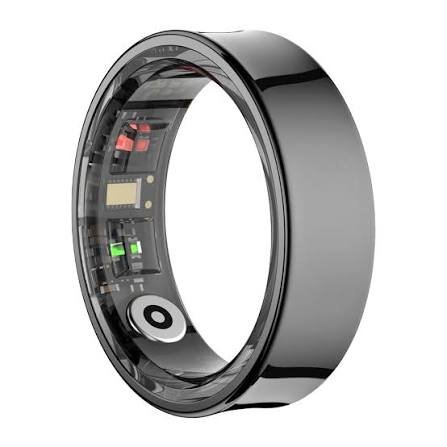
Products such as smart rings demonstrate how wearable technology is moving beyond traditional wrist-based devices. For consumers looking for a budget smart ring with heart rate tracking, the COLMI R09 is one product worth exploring. It represents the growing interest in smaller, more discreet devices that offer convenient access to personal wellness information.
As digital transformation continues across industries, wearable technology is becoming more than a technological trend. It is developing into a practical tool for personal organization, fitness awareness, workplace efficiency, and everyday convenience.
Understanding Wearable Technology in the Modern World
Wearable technology refers to electronic devices designed to be worn on the body. These products use sensors, software, and wireless connections to collect information, display notifications, and support different activities.
Smartwatches are among the most recognizable examples, offering features such as activity tracking, notifications, and selected health-related measurements. Fitness bands focus primarily on movement and exercise, while smart glasses explore hands-free access to digital information. Smart rings provide another approach by placing compact electronics inside a ring-shaped design.
How Wearable Devices Work
Most wearable devices combine hardware and software to deliver their features. Sensors collect information, a processor handles relevant data, and a connected application may organize the results for the user.
Depending on the device, these sensors can measure movement, estimate heart rate, track sleep patterns, or record activity. Bluetooth connectivity allows many wearables to communicate with compatible smartphones, where users can review their measurements and settings.
The experience depends on the product’s capabilities. Some devices support extensive applications and notifications, while others concentrate on a smaller set of functions. Choosing the right wearable therefore requires understanding personal needs rather than assuming that every device offers identical features.
The Shift Toward Smaller and More Convenient Devices
Traditional digital devices require users to hold a phone, open an application, or sit in front of a computer. Wearables make selected information available through devices that remain close to the body throughout the day.
This convenience is one reason smart rings are attracting attention. Their compact form can appeal to people who prefer a less noticeable alternative to a smartwatch. Although a ring cannot replace every function of a smartphone or watch, it can provide a practical way to access selected tracking features.
Health Awareness Is Driving Wearable Technology Adoption
One of the most important reasons for the growing popularity of wearable technology is its role in everyday wellness. Many devices help users understand their movement, activity levels, and other measurable patterns.
Rather than relying entirely on memory, users can review recorded information and identify changes in their routines. This can encourage greater awareness of everyday habits and support more informed conversations with healthcare professionals when necessary.
Heart Rate Tracking and Personal Awareness
Heart rate tracking is a popular feature in many modern wearables. Optical sensors in supported devices estimate heart rate by detecting changes in blood flow near the skin.
These measurements can help users observe patterns during rest, exercise, and recovery. However, readings may be affected by movement, sensor placement, skin characteristics, and device quality. Wearable measurements should therefore be treated as estimates rather than definitive medical assessments.
For shoppers interested in a budget smart ring with heart rate tracking, the COLMI R09 offers an example of the affordable smart-ring category. Before purchasing, consumers should verify the device’s current specifications, supported tracking functions, smartphone compatibility, and availability through a reliable seller.
Sleep Tracking and Daily Routines
Sleep is another area where wearable devices can provide useful information. Depending on their sensors and software, some products estimate sleep duration and identify periods of rest throughout the night.
Reviewing these estimates over time may help users recognize patterns in their sleeping schedules. For example, someone might notice differences between weekdays and weekends or observe how a consistent bedtime relates to their general routine.
However, sleep-tracking technology does not measure every aspect of sleep accurately. Users should avoid treating consumer wearables as substitutes for professional assessment when persistent sleep difficulties arise.
Supporting Active Lifestyles
Fitness trackers and smart rings can also help users monitor daily movement. Step counts, activity duration, and exercise summaries offer simple ways to review physical activity.
These features may encourage people to take walking breaks, explore outdoor activities, or establish more consistent exercise routines. The most useful device is not necessarily the one with the greatest number of features, but the one that provides understandable information and fits comfortably into everyday life.
Smart Rings Are Expanding the Wearable Technology Market
Smart rings are an important development in the wearable technology industry because they offer selected digital functions in a small accessory. Their discreet appearance makes them attractive to consumers who prefer minimal designs or find larger devices inconvenient.
Unlike a smartwatch with a visible screen, a smart ring generally relies on sensors and a connected smartphone application to present information. This approach can reduce the need for a display while allowing the ring to remain relatively unobtrusive.
Why Consumers Are Interested in Smart Rings
Several factors contribute to the popularity of smart rings. First, their compact size makes them easy to incorporate into everyday clothing and accessories. Second, they can offer tracking features without requiring users to wear a device on their wrist. Third, different price categories give consumers opportunities to explore the technology according to their budgets.
For people researching the COLMI R09 UK market, it is useful to compare the product with other smart rings based on supported features, battery performance, comfort, application quality, and warranty arrangements.
The advertised feature list should always be checked against the manufacturer’s current specifications. A low price does not automatically mean a product offers the same accuracy, software support, or durability as more expensive alternatives.
Choosing a Budget-Friendly Smart Ring
Price is an important consideration for many technology buyers. Affordable wearables can provide an accessible introduction to activity and wellness tracking, especially for people who do not need advanced smartwatch functions.
Before selecting a smart ring, buyers should consider the following factors:
- Tracking features: Confirm whether the device supports the specific measurements you want.
- Compatibility: Check whether it works with your smartphone’s operating system.
- Battery life: Review expected usage time and charging requirements.
- Comfort and sizing: Choose the correct size and consider whether the ring is comfortable for regular wear.
- Water resistance: Verify the manufacturer’s stated limitations before using it around water.
- Application support: Investigate how the companion app presents information and whether ongoing support is available.
- Warranty and returns: Buy from a seller with clear policies and reliable customer assistance.
These considerations help consumers focus on long-term usefulness rather than selecting a product based on price alone.
Wearable Technology Is Improving Everyday Convenience
Wearables are becoming increasingly valuable because they reduce the effort required to access certain types of digital information. Small interactions that once required several steps can now be handled through a connected device.
Notifications and Communication
Many smartwatches display calls, messages, calendar reminders, and application notifications. Users can decide which alerts are important and reduce the need to check their phones repeatedly.
Some wearables also support quick replies or selected communication functions. The exact capabilities depend on the model, operating system, and connected applications.
Smart rings generally emphasize a different set of functions, often focusing on compact tracking rather than extensive on-device communication. Understanding these differences helps users choose a product that matches their expectations.
Productivity and Time Management
Wearable devices can support daily organization through reminders, alarms, timers, and calendar alerts. These tools are useful for students, professionals, travelers, and people managing busy schedules.
A vibration alert on a compatible device can remind someone about a meeting or scheduled task without requiring them to keep a phone screen visible. Over time, this convenience can make digital planning feel more natural.
Nevertheless, wearables should support concentration rather than create constant interruptions. Adjusting notifications and limiting unnecessary alerts can make these devices more useful.
Contactless Features and Connected Services
Some wearable products support payment functions, access credentials, or other connected services. These features depend on the device, the country, and the services supported by its manufacturer.
Consumers should not assume that every smart ring or smartwatch includes contactless payments. Checking compatibility before buying is essential, especially when a particular function is a major reason for the purchase.
The Role of Wearables in Fitness and Sports
Wearable technology has transformed how many people approach fitness. Instead of estimating activity from memory, users can review summaries of movement, exercise duration, and other available measurements.
Setting Goals and Tracking Progress
Many wearable applications allow users to establish activity goals and review progress over time. These goals might involve taking regular walking breaks, maintaining a consistent exercise schedule, or recording activity sessions.
Progress summaries can make routines easier to understand. However, tracking should remain flexible and supportive. Daily measurements naturally fluctuate, and missing a target does not mean that an entire routine has failed.
Understanding Recovery and Activity Patterns
Certain wearables offer estimates related to resting heart rate, sleep, or recovery. Reviewing these indicators may help users reflect on their general routines and how they feel after physical activity.
Such estimates have limitations and should not be used alone to diagnose health problems or determine whether someone is medically ready for demanding exercise.
The purpose of wearable technology is to provide useful context, not to replace personal judgment, professional guidance, or attention to physical comfort.
Wearable Technology Is Changing the Workplace
Wearable devices are also finding applications in professional environments. Their value varies by industry, but they can help workers access information, improve coordination, and perform selected tasks more efficiently.
Improving Hands-Free Workflows
In warehouses, manufacturing facilities, and logistics operations, specialized wearables can provide task instructions, identify products, or support communication without requiring workers to repeatedly handle a separate device.
Smart glasses may display instructions in a worker’s field of view, while wearable scanners can help identify inventory. These technologies can reduce unnecessary steps when they are properly integrated into existing workflows.
Supporting Safety and Training
Some industrial wearables can monitor environmental conditions, worker location, or selected movement patterns. When appropriately designed and deployed, these devices may contribute to workplace safety systems.
However, sensors do not guarantee safety. Organizations must combine technology with proper training, suitable equipment, privacy protections, and established safety procedures.
Employers should also be transparent about what wearable devices collect and how that information is used. Monitoring should have a clear purpose and respect workers’ rights.
The Importance of Data Privacy and Security
As wearables collect increasingly personal information, privacy has become a major consideration. Health-related measurements, activity histories, location information, and device identifiers may reveal details about an individual’s routines.
Consumers should understand what information a device records, where it is stored, and whether it is shared with other services.
Protecting Personal Information
Before using a wearable, review the privacy policy and application permissions. Disable features that are unnecessary, use strong account passwords, and install software updates when they become available.
It is also sensible to understand whether the device stores information locally, synchronizes it with a smartphone, or uploads it to cloud services.
Making Informed Technology Choices
An affordable wearable should still provide reasonable transparency about data collection and security. Buyers should investigate the manufacturer’s privacy practices and consider whether the available controls meet their expectations.
The most suitable device is one that balances useful features with comfort, reliability, and acceptable privacy protections.
Challenges and Limitations of Wearable Devices
Despite their advantages, wearable devices have limitations. Battery life, sensor accuracy, application compatibility, comfort, and long-term software support can vary considerably between products.
Accuracy and Reliability
Measurements collected from consumer wearables are not always precise. Loose fitting, movement, environmental conditions, and hardware limitations can affect results.
Users should interpret trends carefully and avoid making important medical decisions based solely on consumer-device readings.
Cost and Accessibility
Premium wearables can be expensive, especially when they include advanced sensors and subscription-based services. Budget products provide alternatives, but buyers may need to accept fewer features or more limited support.
Comparing the total cost of ownership, including replacement chargers, subscriptions, and warranty coverage, can help consumers make more practical decisions.
Comfort and Everyday Use
A wearable must be comfortable enough for the activities it is intended to support. Some people prefer watches, while others prefer lightweight bands or rings.
Ring sizing is especially important because an uncomfortable fit can make a device difficult to wear consistently. Users should follow the manufacturer’s guidance and remove a ring if it becomes uncomfortable or difficult to take off.
The Future of Wearable Technology
The wearable technology market is likely to continue developing as sensors, battery systems, software, and artificial intelligence improve.
Future devices may offer more personalized activity summaries, better integration with digital services, and improved methods of presenting information. Advances in sensor technology may also improve the usefulness of selected measurements, although accuracy will continue to depend on the specific device and application.
Artificial Intelligence and Personalized Insights
Artificial intelligence can help wearable applications identify patterns across large amounts of recorded information. For example, software may summarize changes in activity or highlight differences in sleep estimates over time.
These features can make information easier to understand, but automated suggestions should remain transparent and appropriately limited. AI-generated insights are not a replacement for qualified medical advice.
More Accessible and Specialized Devices
As wearable technology develops, consumers may see a wider range of products designed for different needs and budgets. Some will emphasize sports performance, while others will prioritize convenience, accessibility, workplace tasks, or basic wellness tracking.
Smart rings are likely to remain an interesting option for people who value compact designs. Affordable models may introduce more consumers to the category, provided that buyers have clear information about their capabilities and limitations.
How to Choose the Right Wearable for Your Needs
Selecting a wearable begins with identifying the problem you want the device to solve. Someone interested in detailed notifications may prefer a smartwatch, while a person focused on basic activity tracking might choose a fitness band or smart ring.
Consider the following questions before making a purchase:
- Which features will I use regularly?
- Is the device compatible with my smartphone?
- Can I wear it comfortably throughout the intended period?
- Are the battery life and charging arrangements suitable?
- Does the companion application provide understandable information?
- Are the privacy policy, warranty, and return conditions acceptable?
- Does the product offer good value for its price?
For shoppers comparing the colmi r09 uk options, these questions provide a useful starting point. Check current product details, seller reliability, delivery terms, and return policies before placing an order.
A well-chosen wearable should fit naturally into an existing routine instead of creating unnecessary complexity.
Conclusion
Wearable technology is becoming essential in the digital age because it combines convenience, connectivity, and personal information in compact devices that people can use throughout their daily lives. From fitness tracking and reminders to workplace applications and connected services, wearables are creating new ways to interact with technology.
Smart rings are an important part of this development, offering a discreet alternative to larger devices. Consumers searching for a budget smart ring with heart rate tracking may consider the COLMI R09 as one option, while carefully checking its specifications, compatibility, and seller information.
Although wearable devices offer many advantages, their usefulness depends on informed choices. Accuracy, privacy, comfort, battery performance, and price should all be considered before purchasing.
Ultimately, wearable technology is most valuable when it helps people make practical decisions, maintain useful routines, and access digital tools with less effort. As devices continue to improve, they are likely to become an even more familiar part of everyday life.