
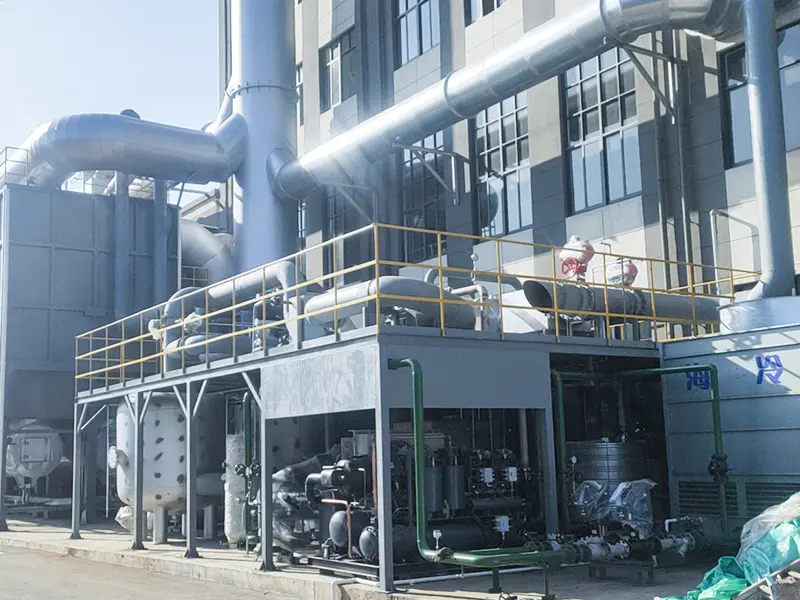
Volatile organic compounds, or VOCs, are chemicals that easily evaporate at room temperature and are commonly found in industrial emissions. These compounds, while often invisible, contribute significantly to air pollution and pose serious health and environmental risks. Understanding the importance of VOC waste gas treatment benefits is crucial for industries and environmental policymakers striving to reduce pollution and protect public health.
Understanding VOCs and Their Environmental Threats
VOC emissions originate from a wide range of industrial processes, including painting, printing, chemical manufacturing, and fuel combustion. When released into the atmosphere, VOCs contribute to the formation of ground-level ozone and smog. These pollutants can trigger respiratory problems, eye irritation, and long-term diseases in humans, as well as damage ecosystems by affecting plant growth and soil quality.
Moreover, VOCs are often precursors to secondary organic aerosols, which are fine particles that degrade air quality and contribute to climate change. Therefore, managing VOC emissions is not only a matter of regulatory compliance but also a critical step in mitigating environmental degradation.
How VOC Waste Gas Treatment Works
VOC waste gas treatment involves a series of technologies designed to capture, neutralize, or convert harmful compounds into less harmful substances before they are released into the atmosphere. Common treatment methods include thermal oxidation, adsorption, biofiltration, and condensation. Each approach has its advantages depending on the concentration and type of VOCs present.
Thermal oxidation, for example, uses high temperatures to chemically convert VOCs into carbon dioxide and water, effectively eliminating their harmful effects. Adsorption methods utilize activated carbon or other materials to trap VOC molecules, preventing their release. Biofiltration employs microorganisms to metabolize VOCs into harmless byproducts, making it an environmentally friendly option. Condensation, on the other hand, captures VOCs by cooling the gas and turning it into a liquid that can be safely disposed of or recycled.
Key Environmental Benefits of VOC Waste Gas Treatment
Implementing VOC waste gas treatment technologies brings multiple environmental benefits that are essential for sustainable industrial practices. One of the primary advantages is the significant reduction in air pollution. By capturing VOCs before they enter the atmosphere, industries can prevent the formation of smog and minimize their contribution to global warming. This not only improves air quality for nearby communities but also supports broader climate change mitigation efforts.
Another critical benefit is the protection of ecosystems. VOC emissions can disrupt plant growth, harm aquatic life, and degrade soil quality. By controlling these emissions, VOC waste gas treatment helps maintain biodiversity and ecological balance. Healthier ecosystems are better equipped to provide essential services, such as carbon sequestration, water purification, and soil fertility, which are vital for sustainable development.
Furthermore, VOC waste gas treatment benefits extend to energy efficiency and resource conservation. Certain treatment processes, such as condensation and adsorption, allow industries to recover valuable solvents and chemicals, reducing waste and lowering production costs. This circular approach not only minimizes environmental impact but also promotes economic sustainability by turning potential pollutants into usable resources.
Regulatory Compliance and Community Health
Governments worldwide have established strict regulations to limit VOC emissions from industrial sources. Compliance with these regulations is not merely a legal obligation; it is a crucial step in protecting public health. Exposure to high levels of VOCs can lead to chronic respiratory issues, headaches, and neurological effects. Communities located near industrial zones are particularly vulnerable.
By implementing effective VOC waste gas treatment systems, industries can ensure compliance with environmental standards and contribute to healthier living conditions for surrounding populations. This proactive approach helps reduce the burden on healthcare systems and strengthens public trust in industrial operations.
Economic and Social Advantages
While the environmental benefits of VOC waste gas treatment are clear, the economic and social advantages are also noteworthy. Reducing emissions can prevent costly environmental fines and legal disputes. Additionally, companies that adopt sustainable practices often gain a competitive edge, as consumers and investors increasingly favor environmentally responsible businesses.
Socially, cleaner air contributes to improved quality of life, particularly in urban and industrial areas. Communities benefit from reduced respiratory illnesses, fewer pollution-related hospital visits, and overall better public health outcomes. These social benefits reinforce the importance of investing in VOC waste gas treatment technologies as part of corporate social responsibility initiatives.
Emerging Technologies in VOC Waste Gas Treatment
The field of VOC waste gas treatment is continually evolving, with innovative technologies enhancing efficiency and environmental outcomes. Advanced catalytic oxidation techniques, for example, allow for lower-temperature operation while maintaining high VOC removal rates. Similarly, hybrid systems that combine adsorption, biofiltration, and thermal processes offer tailored solutions for complex industrial emissions.
Digital monitoring and automation have also improved treatment effectiveness. Real-time monitoring allows for immediate adjustments to treatment parameters, ensuring optimal performance and minimizing environmental impact. As industries continue to innovate, VOC waste gas treatment benefits are likely to expand, offering even greater protection for both human health and the environment.
Conclusion
VOC waste gas treatment benefits are multi-faceted, encompassing environmental, health, economic, and social dimensions. By reducing harmful emissions, protecting ecosystems, recovering valuable resources, and promoting regulatory compliance, these technologies play a critical role in sustainable industrial practices. As industries face increasing scrutiny from regulators and the public, adopting effective VOC treatment solutions is not just a necessity—it is a responsibility.
Understanding the impact of VOC emissions and the benefits of their treatment empowers industries and communities alike to make informed decisions. Investing in VOC waste gas treatment technologies ensures cleaner air, healthier populations, and a more sustainable future, demonstrating that environmental stewardship and industrial productivity can go hand in hand.
Implementing these solutions today not only addresses immediate environmental concerns but also contributes to long-term sustainability goals, highlighting the indispensable role of VOC waste gas treatment benefits in modern industry.