




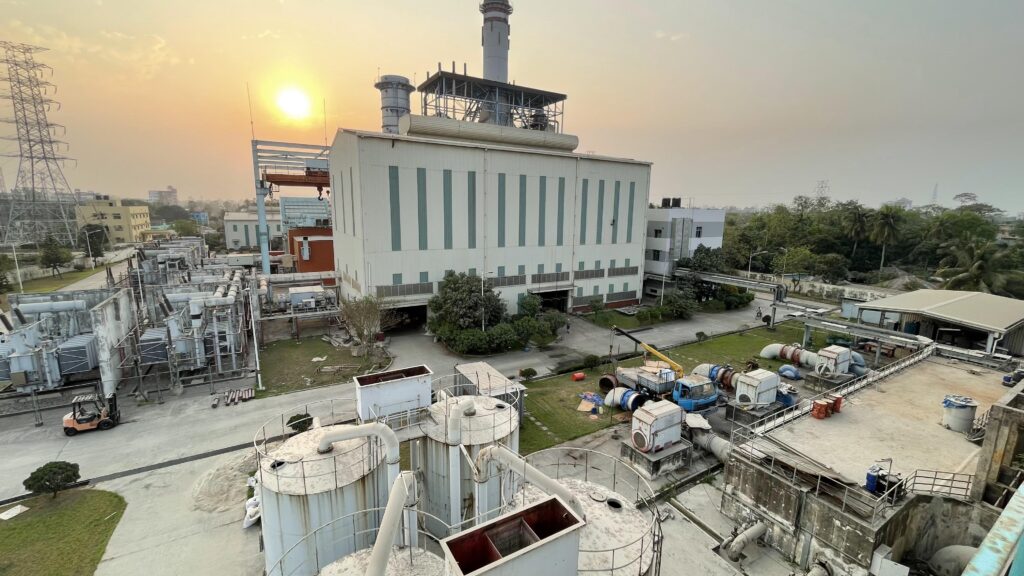
The global energy landscape is evolving rapidly, with increasing focus on sustainability, efficiency, and reliability. Modern energy systems face the dual challenge of meeting growing electricity demand while reducing environmental impact. Compact biomass stations, when retrofitted effectively, offer a compelling solution to this challenge. These retrofits not only enhance the performance of existing plants but also align them with contemporary energy efficiency and sustainability standards. RUNH POWER, a pioneer in energy solutions, has been at the forefront of implementing advanced compact biomass station retrofits, delivering optimized performance and reliability.
Understanding Compact Biomass Station Retrofits
Compact biomass stations are small- to medium-scale power plants designed to convert biomass—such as agricultural waste, wood chips, and other organic residues—into electricity. Unlike large-scale conventional plants, these compact stations are easier to deploy and integrate into existing grids, making them ideal for decentralized energy systems. Retrofits in this context refer to upgrading existing biomass stations with modern technologies and equipment to improve efficiency, reduce emissions, and enhance overall operational performance.
RUNH POWER specializes in delivering high-quality retrofits for compact biomass stations, focusing on improving plant reliability, extending equipment lifespan, and maximizing energy output. The retrofitting process often includes upgrading boilers, turbines, fuel handling systems, and control systems, all tailored to meet the specific requirements of each plant.
Key Benefits of Retrofits in Modern Energy Systems
- Enhanced Energy Efficiency
One of the primary advantages of retrofitting compact biomass stations is the significant improvement in energy efficiency. Modern retrofits involve the installation of advanced boilers and turbine systems designed to extract maximum energy from biomass fuels. RUNH POWER employs state-of-the-art heat recovery systems and combustion optimization techniques, which result in higher power output per unit of fuel consumed. Increased efficiency translates to reduced operating costs and improved plant profitability. - Reduced Environmental Impact
Sustainability is at the heart of modern energy solutions. Biomass itself is a renewable energy source, but older plants often suffer from incomplete combustion and higher emissions. Retrofits optimize combustion processes, improve particulate control, and enhance emissions monitoring, ensuring compliance with stringent environmental standards. RUNH POWER’s retrofit solutions are designed to minimize carbon footprint and reduce the release of harmful pollutants such as NOx, SOx, and particulate matter. - Improved Operational Reliability
Older biomass stations often face challenges such as frequent downtime, inefficient fuel handling, and mechanical wear. Retrofitting key components enhances plant reliability and reduces maintenance frequency. RUNH POWER’s retrofit strategies include predictive maintenance technologies, automated control systems, and high-quality material upgrades, ensuring continuous and stable power generation.
Technological Innovations Driving Retrofits
Modern retrofits are driven by technological advancements that make compact biomass stations more competitive and sustainable. Some of the innovations implemented by RUNH POWER include:
- Advanced Boiler Systems: Modern boilers are designed for higher thermal efficiency and optimal combustion. These systems allow biomass stations to handle a wider variety of fuels while maintaining consistent energy output.
- Automated Control Systems: Digital control technologies allow precise monitoring and regulation of fuel feeding, combustion, and electricity generation. Automation reduces human error and enhances plant responsiveness to grid demands.
- Fuel Preprocessing Solutions: Efficient fuel handling and preprocessing, such as drying and size reduction, improve combustion efficiency and reduce wear on equipment.
- Emission Reduction Technologies: Advanced filters, scrubbers, and gas cleaning systems ensure that retrofitted plants meet environmental regulations without compromising energy output.
Economic Advantages of Compact Biomass Station Retrofits
Investing in retrofits provides long-term economic benefits for plant owners and operators. By maximizing fuel efficiency and reducing downtime, retrofits significantly lower operational costs. Additionally, higher reliability and performance increase plant availability, translating to greater revenue generation. RUNH POWER ensures that retrofit projects are economically viable by conducting detailed feasibility studies, cost-benefit analyses, and performance modeling prior to implementation.
Integration into Modern Energy Systems
Compact biomass stations, when retrofitted, can seamlessly integrate into modern, decentralized energy systems. These stations complement renewable energy sources such as solar and wind by providing stable, dispatchable power. RUNH POWER’s retrofitted plants can respond quickly to fluctuations in electricity demand, making them a critical component in smart grid networks. This flexibility enhances grid stability and ensures a continuous supply of electricity to communities and industries.
Case Study: RUNH POWER’s Retrofit Solutions in Action
RUNH POWER has successfully implemented retrofits for numerous compact biomass stations, achieving remarkable performance improvements. A typical retrofit project includes upgrading the boiler system, installing an automated control platform, and enhancing fuel handling infrastructure. Post-retrofit, plants consistently demonstrate:
- 15-25% improvement in overall energy efficiency
- Significant reductions in particulate and gaseous emissions
- Increased operational uptime and reduced maintenance costs
- Ability to handle diverse biomass fuels efficiently
These results underscore the value of strategic retrofits in maximizing the potential of existing biomass infrastructure.
Future Outlook for Compact Biomass Retrofits
As the global energy transition accelerates, the demand for clean, reliable, and flexible energy sources will continue to grow. Compact biomass stations, when retrofitted, represent a scalable solution to this demand. RUNH POWER continues to innovate, exploring new technologies such as AI-driven plant monitoring, hybrid energy systems, and advanced emission reduction techniques. The future of energy systems will increasingly rely on retrofitted biomass stations to provide dependable, low-carbon electricity while supporting sustainability goals.
Conclusion
Retrofits of compact biomass stations are a vital strategy in enhancing the efficiency, sustainability, and reliability of modern energy systems. RUNH POWER’s expertise in designing and executing these retrofits ensures that plants not only meet current energy demands but are also future-ready. By upgrading boilers, control systems, and fuel handling equipment, retrofitted biomass stations deliver higher energy output, lower emissions, and improved operational reliability. In the evolving landscape of renewable energy, maximizing the performance of compact biomass stations through retrofits is not just an option—it is a necessity.
RUNH POWER stands as a trusted partner in this journey, enabling energy operators to achieve operational excellence while contributing to a greener and more sustainable energy future.
