



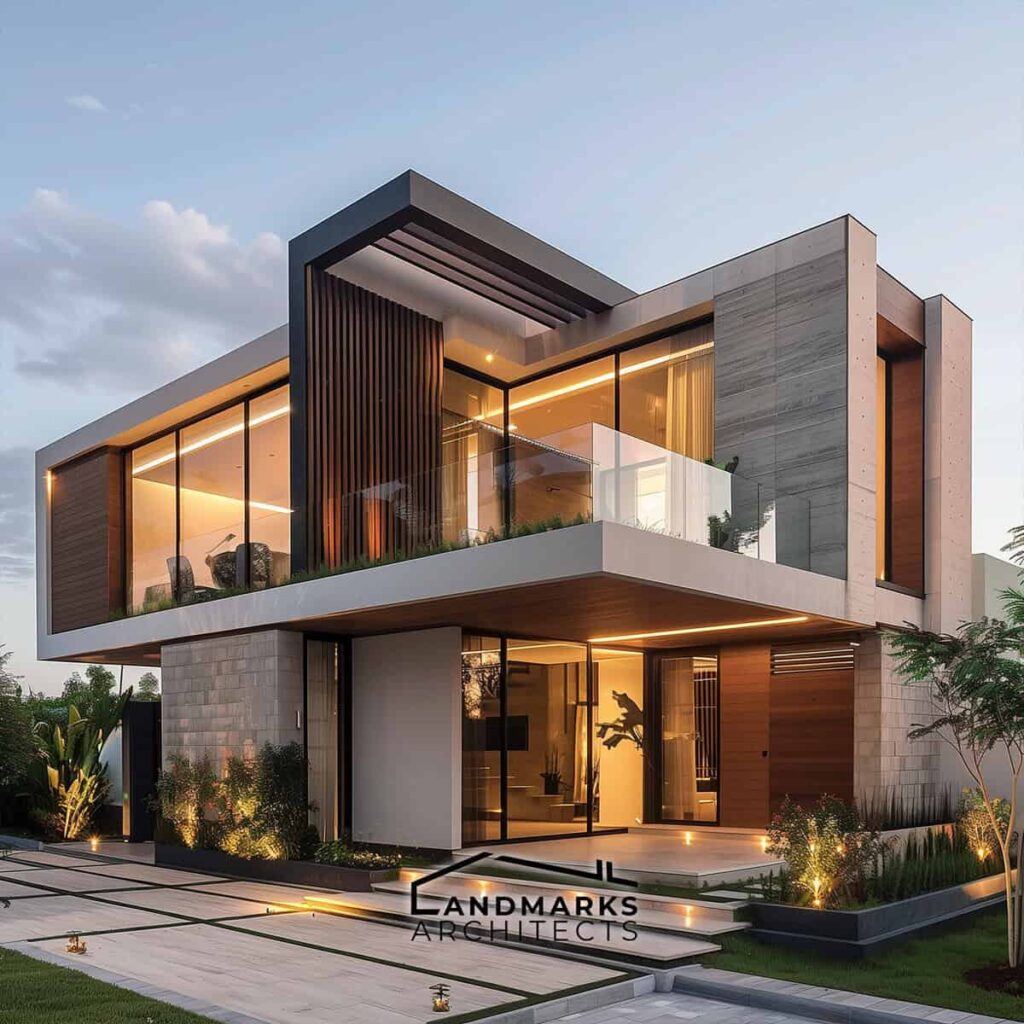
Minimalism in architecture and design has emerged as one of the most influential movements of the 21st century, reshaping the way we perceive space, aesthetics, and functionality. It is not merely a style but a philosophy that emphasizes simplicity, purpose, and clarity. By removing unnecessary elements and focusing on what truly matters, minimalism fosters environments that are calming, efficient, and visually striking. This approach has not only influenced private homes and commercial spaces but has also begun to inform broader urban planning and development strategies, including considerations like land use zoning.
The Principles of Minimalist Architecture
Minimalist architecture is characterized by clean lines, open spaces, and an emphasis on light and natural materials. Unlike ornate traditional designs, minimalism seeks to eliminate clutter, both physically and visually, allowing the structure and its purpose to take center stage. Materials such as concrete, glass, steel, and natural wood are often used in their simplest forms, highlighting their innate qualities rather than masking them with decorative treatments.
Functionality is another core principle. Every element in a minimalist design has a reason for existing. Furniture, fixtures, and even the layout of spaces are carefully considered to ensure they serve a purpose without excess. This focus on function encourages thoughtful living and reduces unnecessary consumption, aligning with sustainable design practices.
Minimalism and the Human Experience
One of the reasons minimalism has gained popularity in architecture and design is its impact on human well-being. Cluttered and chaotic spaces can contribute to stress and distraction, whereas minimalist environments promote calmness, focus, and clarity. The use of natural light, open layouts, and neutral color palettes creates spaces that feel serene and expansive. This psychological benefit is not limited to residential spaces; offices, retail environments, and public buildings have all adopted minimalist principles to enhance productivity and comfort.
Minimalist design also encourages mindfulness. By stripping spaces down to their essential elements, occupants are invited to interact more intentionally with their surroundings. This interaction fosters a deeper appreciation for quality, craftsmanship, and the natural environment.
The Role of Land Use Zoning in Minimalist Architecture
Urban planning and land use zoning play a critical role in facilitating minimalist architecture, especially in densely populated areas. Zoning regulations determine how land can be developed, influencing the density, height, and function of buildings. In cities where minimalism is embraced, zoning laws can encourage the creation of open spaces, pedestrian-friendly streets, and mixed-use developments that reflect minimalist ideals.
For example, zoning codes that allow for smaller lot sizes, reduced setbacks, and shared green spaces can promote efficient, clean-lined housing that emphasizes open interiors over sprawling footprints. Conversely, restrictive zoning that prioritizes large setbacks or complex plot coverage ratios may hinder the adoption of minimalist principles. Architects and designers working within the constraints of land use zoning must often innovate to achieve minimalism without violating regulatory requirements, balancing simplicity with compliance.
Minimalism in Residential Architecture
In residential design, minimalism has transformed how homes are conceptualized and constructed. Open floor plans replace compartmentalized rooms, creating fluid transitions between living, dining, and kitchen areas. Built-in storage solutions eliminate the need for excessive furniture, maintaining the uncluttered aesthetic that minimalism demands.
Exterior design also embraces minimalism through simple geometric forms, flat or gently sloping roofs, and a restrained material palette. Windows are strategically placed to maximize natural light and connect interior spaces with the outdoors, reflecting the minimalist ethos of harmony with nature.
Land use zoning can influence these designs by dictating building heights, lot coverage, and allowable setbacks. Creative architects navigate these rules to ensure that minimalist homes not only adhere to regulations but also achieve a sense of openness and simplicity that defines the style.
Minimalism in Commercial and Public Spaces
The principles of minimalism extend beyond homes to commercial and public buildings. Retail stores, offices, museums, and cultural centers increasingly adopt minimalistic strategies to create inviting, uncluttered spaces that enhance user experience. Open-plan offices encourage collaboration and flexibility, while minimalist retail layouts focus attention on products without distraction.
Public buildings benefit from minimalism by prioritizing function and accessibility. Clean, simple layouts improve wayfinding, while uncluttered exteriors integrate harmoniously into the surrounding urban fabric. In cities with progressive land use zoning, minimalist public spaces can be combined with green areas, pedestrian pathways, and community amenities, demonstrating how urban planning and design philosophies can work in tandem.
Sustainability and Minimalist Design
Sustainability is an intrinsic aspect of minimalism. By emphasizing simplicity, minimalism reduces resource consumption during construction and operation. Smaller, well-planned spaces require less energy for heating, cooling, and maintenance. The use of durable, natural materials further enhances environmental performance, while reduced ornamentation lowers material waste.
Land use zoning intersects with sustainability by encouraging higher-density developments, mixed-use neighborhoods, and preservation of open spaces. These zoning strategies complement minimalist design, allowing architects to create environmentally responsible projects that balance efficiency with aesthetic appeal.
The Global Influence of Minimalism
Minimalism is not confined to any single region; it has become a global design language. From the sleek residential architecture of Japan to Scandinavian commercial interiors and contemporary urban projects in North America, minimalism transcends cultural boundaries. Its universal appeal lies in its ability to create spaces that feel open, functional, and harmonious, regardless of location.
Architects worldwide are also leveraging minimalism to address challenges posed by urbanization and zoning restrictions. By prioritizing essential elements and smart spatial planning, they produce innovative solutions that maximize land use while maintaining aesthetic integrity. This global trend reflects a growing desire for simplicity, quality, and sustainability in both private and public spaces.
Challenges and Criticisms of Minimalism
Despite its many benefits, minimalism faces criticisms and challenges. Some argue that overly minimalist spaces can feel cold, impersonal, or sterile. Achieving a balance between simplicity and warmth requires careful attention to materials, lighting, and texture. Additionally, navigating land use zoning can complicate minimalist projects, particularly in areas with restrictive regulations or outdated codes. Architects must reconcile the ideal of minimalist design with practical constraints imposed by local planning authorities.
Conclusion
Minimalism represents a profound shift in architecture and design, emphasizing clarity, functionality, and human well-being. It transforms how we experience spaces, encouraging simplicity, mindfulness, and sustainability. The integration of minimalist principles with urban planning concepts like land use zoning allows for more efficient, aesthetically pleasing, and environmentally responsible development.
As cities grow and populations increase, minimalism provides a blueprint for designing spaces that are both beautiful and practical. By embracing the philosophy of “less is more,” architects, designers, and planners can create environments that enrich lives while respecting the constraints of urban development. The minimalist movement is more than a fleeting trend; it is a sustainable, global approach to shaping the spaces where we live, work, and interact.